
Examples of Supportive Therapy Practices That Actually Work
TL;DR:
Supportive therapy emphasizes symptom relief, emotional stabilization, and coping skills without exploring unconscious patterns. It is highly effective across conditions such as depression, anxiety, and trauma, focusing on current functioning and building trust before introducing techniques. Recognizing individual needs and fostering genuine therapeutic relationships are essential for optimal outcomes.
Supportive therapy often gets overshadowed by more dramatic treatment names, but for many people healing from trauma, depression, or anxiety, it delivers exactly what they need. The examples of supportive therapy practices covered here go far beyond generic advice. They show you how real therapists use specific techniques to reduce suffering, build stability, and strengthen your ability to cope. Whether you are navigating PTSD, grief, or the daily weight of a mental health condition, understanding these practices can help you recognize what good support looks like and advocate for it in your own care.
Table of Contents
Key takeaways
| Point | Details |
|---|---|
| Supportive therapy is goal-directed | It targets symptom relief, ego strengthening, and coping without requiring deep insight work. |
| Alliance comes before technique | Introducing coping tools too early often backfires; trust must be built first. |
| Creative approaches have real evidence | Poetry therapy and expressive arts show measurable benefits including improved hope and resilience. |
| Social support saves lives | Home-based social support interventions show dramatically better survival rates in medical patients. |
| One size does not fit all | Matching practice to personality, severity, and readiness determines whether any technique will land. |
1. What supportive therapy actually is
Before evaluating specific practices, it helps to understand the model. Supportive therapy focuses on symptom reduction, adaptive coping, and strengthening ego functions, without deep exploration of unconscious conflicts or childhood patterns. This is not a lesser form of therapy. It is a deliberate choice to meet clients at their current level of functioning and stabilize them first.
This approach works across a wide range of conditions. Supportive psychotherapy effectively treats anxiety, depression, PTSD, schizophrenia, and personality disorders, with evidence from multiple clinical studies and meta-analyses. That reach alone signals its flexibility.
What sets it apart is the focus on the present. The goal is not to unearth the root cause of every symptom. It is to reduce distress, reinforce what already works in you, and help you function better right now.
2. How to evaluate whether a supportive practice fits you
Not every supportive technique works for every person. Before choosing one, consider a few dimensions.
Symptom severity. Acute crises call for stabilization methods like grounding and reassurance. Mild to moderate distress opens the door to more skills-based or expressive approaches.
Personality and preferences. A person who communicates through writing may respond powerfully to poetry therapy. Someone who needs structure may prefer problem-solving models.
Therapist relationship. Active engagement and direct support from the therapist, including encouragement and practical guidance, is a cornerstone of supportive therapy. If your therapist is not doing this, something is off.
Timing of tool introduction. Premature introduction of self-care tools often leads to rejection. Clients feel dismissed when coping strategies are prescribed before rapport is established.
Goals and pacing. High-quality supportive therapy requires clear goals and intentional structure, not a loosely connected series of sessions with no direction.
Pro Tip: Ask your therapist directly what the treatment goal is for your current phase of therapy. If the answer is vague, that is useful information about whether you are getting structured supportive care or something more improvised.
3. Active listening, reassurance, and empathy
These are the three pillars that make every other supportive technique possible. They are not soft extras. They are clinical tools.
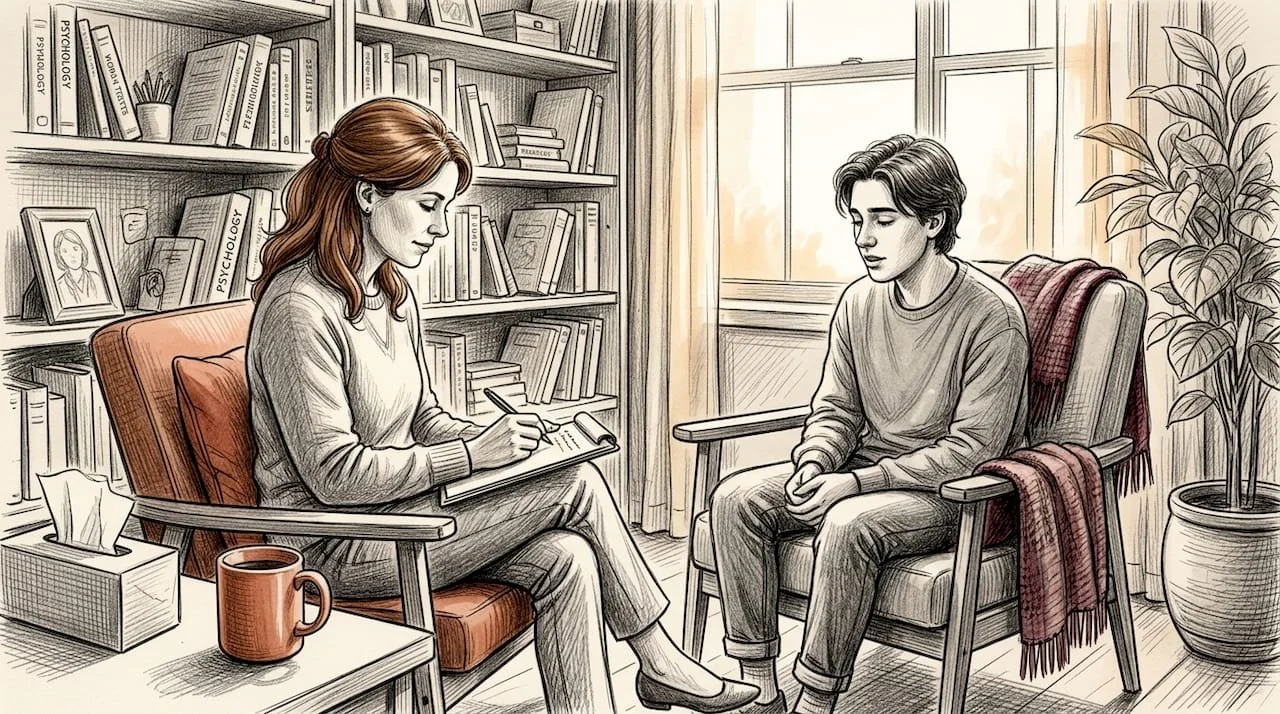
Active listening means the therapist is not just waiting to respond. They are tracking your words, noticing what you avoid, and reflecting back what they hear in ways that validate your experience. A therapist who practices this might say, "It sounds like you have been holding this alone for a long time," rather than jumping to solutions. That kind of reflection tells you that you have been heard, and being heard is itself therapeutic.
Reassurance has a specific role during acute distress. When you are in a crisis or overwhelmed by symptoms, reassurance from a trusted therapist can create enough emotional containment to think more clearly. This is not empty comfort. It is grounded acknowledgment, such as reminding you that what you are feeling makes sense given what you have been through.
"The therapist's warmth and genuine presence can regulate the nervous system in ways that no worksheet can replicate. These foundational skills are the soil everything else grows in."
Empathy goes one step further. It asks the therapist to enter your emotional world without losing their own footing. When used well, empathy builds the trust that makes everything else in therapy possible.
Validates that your emotional response is understandable
Reduces shame around struggling
Creates safety for disclosing more vulnerable material
Strengthens the therapeutic alliance that predicts outcomes across all therapy types
The limitation of these practices used alone is that they do not teach new skills. Over time, validation without tools can leave clients feeling supported but not growing. The best supportive therapy combines these relational foundations with more active strategies.
4. Psychoeducation, coping skills, and problem solving
Once rapport is established, supportive therapy becomes more active. These three techniques shift the client from surviving to building.
Psychoeducation removes the mystery from suffering. A therapist might explain what happens in the brain during a panic attack, or why hypervigilance after trauma is a protective response, not a character flaw. When you understand what is happening in your body, fear loses some of its grip. This applies equally to depression, grief reactions, and anxiety disorders.
Breathing and grounding techniques are coping skills taught in supportive therapy to interrupt distress in real time. Box breathing, the 5-4-3-2-1 sensory grounding method, and progressive muscle relaxation all give you a way to shift your nervous system state without requiring medication or a therapist in the room. These tools matter most when you can deploy them between sessions.
Problem-solving approaches address the concrete stressors that feed mental health symptoms. A therapist might walk you through identifying the problem clearly, generating options without judgment, weighing pros and cons, and committing to a small step. This structured method reduces the overwhelm of feeling stuck. For clients dealing with housing instability, relationship conflict, or work stress, problem-solving can be the most practical gift therapy offers.
Pro Tip: Timing matters more than technique. Introduce breathing exercises after a client feels genuinely understood, not in the first session as a distraction from real pain. The tool only works when the person trusts the hand offering it.
For those recovering from trauma, PTSD self-care strategies can extend these in-session techniques into daily life in meaningful ways.
5. Poetry therapy and expressive arts
This is where supportive therapy surprises people. Expressive arts are not reserved for art school graduates or people who feel "creative." They are clinical modalities with real evidence behind them.
Poetry therapy, in particular, has shown measurable results. Research shows that poetry raises hope scores and decreases pain intensity in patients, with 2025 findings confirming collective catharsis and resilience building through verse. That is not a small thing for someone in chronic emotional or physical pain.
Writing poetry externalizes internal experience, giving it a form that can be examined rather than just felt.
Reading and discussing poetry in a group setting creates shared meaning and reduces isolation.
Visual art, music, and movement offer nonverbal pathways for clients whose trauma lives in the body rather than in words.
Drama therapy allows role-playing of difficult scenarios in a safe context, which builds both insight and confidence.
These approaches complement traditional supportive techniques rather than replacing them. A client who cannot yet verbalize their grief might be able to paint it. A trauma survivor who shuts down during talk therapy might open up through rhythm and sound.
The key consideration is fit. Not every client wants to write poetry, and forcing creative modalities can backfire just as badly as pushing any other tool prematurely. The therapist's job is to offer options and follow the client's lead.
6. Social support-based practices and home-based interventions
Supportive therapy does not only happen in a therapist's office. Some of its most powerful examples involve community, connection, and environment.

| Practice | Format | Who leads it | Key benefit |
|---|---|---|---|
| Group therapy | Structured sessions | Licensed therapist | Peer validation, reduced isolation |
| Peer support groups | Informal or structured | Trained peer or facilitator | Shared lived experience, ongoing community |
| Home-based interventions | In-home visits or calls | Counselors, nurses, social workers | Accessibility, real-world context |
| Family-involved sessions | Conjoint therapy sessions | Therapist with family present | Strengthened natural support system |
The data on social support interventions is striking. A 2026 meta-analysis found 67% survival in the intervention group compared to 40% in controls among medical patients receiving structured social support. That gap reflects what isolation actually costs people, not just emotionally but physically.
Home-based interventions also show multifaceted benefits including improved adherence and emotional resilience. Meeting clients in their actual environment reduces barriers and provides context that office-based therapy often misses.
Group settings reduce the shame of struggling alone
Peer support provides credibility that professional support sometimes lacks
Family involvement can either deepen healing or complicate it, depending on family dynamics
Choosing a social or community-based option means honestly assessing whether your natural environment is supportive or whether it adds stress. Therapy does not happen in a vacuum.
7. Comparing supportive therapy practices at a glance
| Practice | Intensity | Best for | Therapist involvement |
|---|---|---|---|
| Active listening and empathy | Low | All clients, especially early in therapy | High |
| Reassurance | Low | Acute distress, crisis stabilization | High |
| Psychoeducation | Low to moderate | Anxiety, PTSD, depression | Moderate |
| Coping skills training | Moderate | Ongoing distress, between-session symptoms | Moderate |
| Problem solving | Moderate | Concrete life stressors | Moderate |
| Poetry and expressive arts | Variable | Clients with verbal barriers to expression | Moderate to low |
| Group and peer support | Moderate | Isolation, chronic conditions, ongoing recovery | Low to moderate |
| Home-based interventions | High logistically | Medical patients, accessibility challenges | High |
No single practice works for everyone, and combining modalities is often more effective than relying on one. A client might benefit from psychoeducation in individual sessions, coping skills for daily use, and a peer support group for connection. Trauma-informed care principles suggest always matching intensity to readiness, not to convenience.
My honest take on what actually makes supportive therapy work
I have watched people go through therapy for years and still feel unsupported. Not because the techniques were wrong, but because the therapist was not genuinely present. In my experience, authenticity in therapist self-care practices and genuine modeling of healthy coping actually change whether clients trust the tools they are being offered.
The hardest thing for people to hear is that supportive therapy is often undervalued, not because it is weak, but because it is highly effective for clients overwhelmed by more demanding approaches. Many people who burned out on intensive trauma work needed supportive therapy first.
What I believe most strongly: listen before you teach. Every technique in this article can be done poorly if the therapist leads with information instead of presence. The coping skill is not the point. The relationship that makes someone willing to try it is.
— Alvaradotherapy
Find the right supportive therapy for your healing
If any of these practices resonated with you, that recognition is worth acting on. Alvaradotherapy works with clients across California who are healing from trauma, depression, anxiety, grief, and complex PTSD. The therapists here do not hand you a coping skills worksheet and call it therapy. They build the alliance first, then match techniques to where you actually are.
Whether you are just starting to explore mental health support or looking for something more tailored than what you have tried before, Alvaradotherapy's online trauma therapy services and complex trauma programs offer trauma-informed, culturally responsive care in English and Spanish. You can also book a consultation to talk through which approach fits your specific situation before committing to anything.
FAQ
What is supportive therapy?
Supportive therapy is a treatment approach focused on symptom relief, emotional stabilization, and strengthening coping without requiring deep insight into unconscious patterns. It is widely used for anxiety, depression, PTSD, and acute crises.
How does supportive therapy differ from other therapy types?
Unlike cognitive or psychodynamic approaches, supportive therapy stays focused on current functioning rather than past patterns or automatic thoughts. The therapist takes a more active, encouraging role rather than a neutral or interpretive one.
Is supportive therapy effective for depression?
Yes. Supportive psychotherapy shows strong evidence for treating depression, particularly when combined with psychoeducation and coping skills training. It is especially useful when clients are not ready for more intensive approaches.
How do I know if a supportive therapy practice is right for me?
Consider your current distress level, your preferences for verbal versus expressive work, and whether you have a strong enough relationship with your therapist to trust the techniques they introduce. Timing and fit matter more than the technique itself.
Can supportive therapy be done online?
Yes. Active listening, reassurance, psychoeducation, coping skills training, and problem solving all translate effectively to telehealth formats. Many clients find online sessions more accessible and equally impactful.
Recommended
Couples Therapy Success: What Actually Works — Alvarado Therapy
Effective Couples Counseling: Methods, Results, and What Works — Alvarado Therapy
Effective couples therapy: trauma-informed approaches to rebuilding trust — Alvarado Therapy
8 Expert Relationship Healing Tips for Trauma Survivors — Alvarado Therapy
