
PTSD Self-Care Strategies: Calm, Heal, Reclaim Control
TL;DR:
Building routines and safety practices helps trauma survivors feel more in control and reduce emotional volatility.
Grounding and breathing techniques provide immediate relief during flashbacks and anxiety episodes.
Self-care strategies support PTSD recovery but should be combined with professional therapy for effective healing.
When you're living with PTSD, searching for self-care advice can feel like drinking from a fire hose. You're already overwhelmed, and then you encounter dozens of conflicting tips, half-backed suggestions, and generic wellness content that has nothing to do with trauma. What you actually need is a clear, research-backed roadmap. This guide pulls together proven self-care strategies for PTSD, organized so you can start where you are, build at your own pace, and feel genuinely supported along the way. Whether you've just started your healing journey or you're deepening an existing practice, you'll find actionable steps grounded in clinical insight.
Table of Contents
Key Takeaways
| Point | Details |
|---|---|
| Start with safety routines | Building a consistent daily routine provides stability and control, making all other self-care more effective. |
| Use grounding and breathing | Sensory-based grounding and deep breathing are fast, practical tools for immediate distress relief. |
| Move for mood and stress | Regular physical activity, even gentle movement, measurably reduces PTSD symptoms and supports recovery. |
| Prioritize trauma-sensitive mindfulness | Mindfulness and meditation can heal, but should be adapted for trauma safety and started gradually. |
| Lean on support | Building a support network or joining peer groups combats isolation and accelerates healing for PTSD. |
Establishing the foundation: Safety, routines, and structure
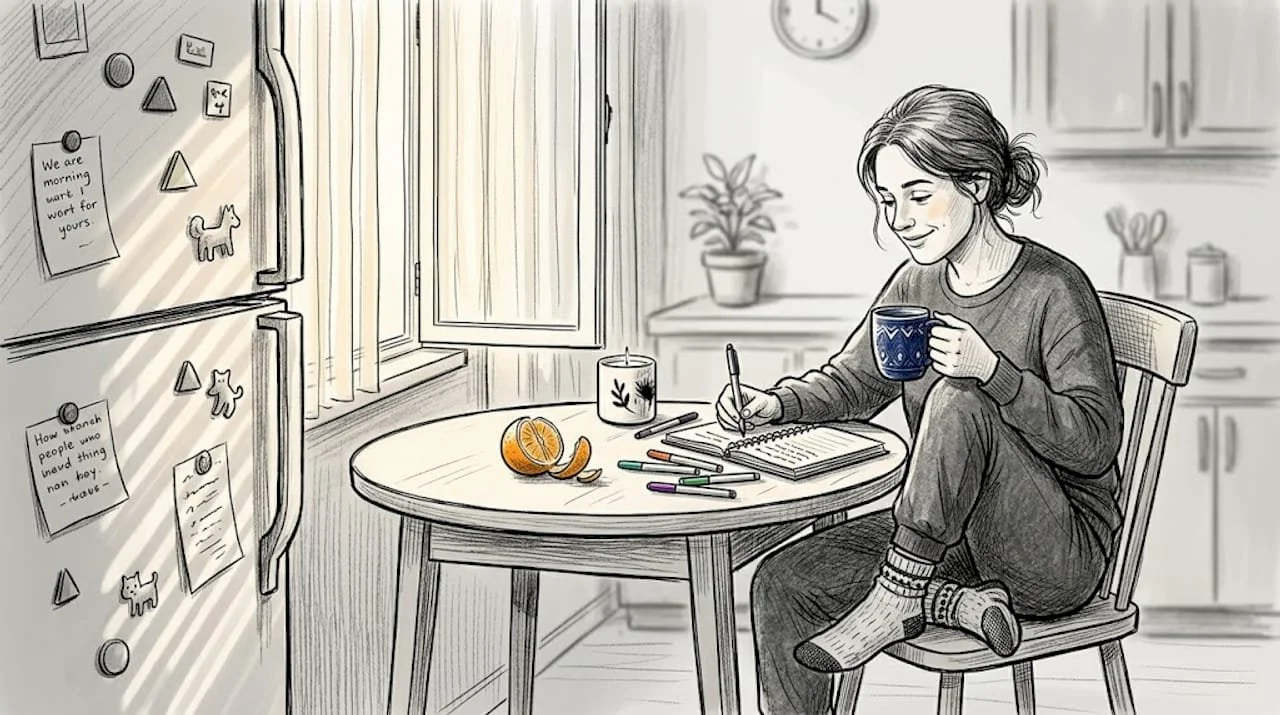
Trauma rewires how your brain reads the world. After experiencing PTSD, even everyday moments can feel unpredictable or threatening. That constant sense of threat drains your emotional energy before the day has even started. Building structure into your daily life is not about being rigid. It's about sending your nervous system a signal it desperately needs: things are okay right now.
Daily PTSD coping strategies show that establishing a consistent routine with calming activities fosters safety, control, and emotional stability that trauma disrupts. That means even small, repeated behaviors, like eating breakfast at the same time each day or ending your night with the same wind-down ritual, can meaningfully reduce emotional volatility over time.
Here's what a simple routine might include:
Morning anchor: Wake up at a consistent time. Even 10 minutes of quiet before checking your phone can reduce cortisol spikes.
Regular meals: Skipping meals worsens mood instability and stress reactivity. Eating at predictable times stabilizes blood sugar and supports emotional regulation.
Gentle movement: A short walk or light stretching signals safety to the body (more on this in the movement section).
A defined wind-down: Dimming lights, putting away screens, and a brief calming activity before bed helps your brain shift out of hypervigilance.
A safe physical space: Designate one area in your home as a calm zone. Keep it comfortable and free from stressors.
For people managing anxiety alongside PTSD, managing anxiety daily with a predictable structure reduces the mental load of making moment-to-moment decisions under stress.
Pro Tip: Don't try to build a perfect routine on day one. Add one calming activity per day and let it become automatic before adding another.
Grounding and breathing: Rapid relief from flashbacks and anxiety
Routines keep you stable over time. But what do you do when a flashback hits in the middle of a grocery store? This is where grounding and breathing become your most immediate tools.
Grounding means deliberately shifting your attention to what's physically present around you right now. It interrupts the brain's trauma loop by flooding your senses with current, real-world input. The most widely taught method is the 5-4-3-2-1 technique, and for good reason. Grounding techniques for trauma like the 5-4-3-2-1 method are broadly recommended for immediate relief from PTSD symptoms.
Here's how to use it:
Name 5 things you can see around you right now.
Name 4 things you can touch and notice each texture.
Name 3 things you can hear in your environment.
Name 2 things you can smell (or two things you like the smell of).
Name 1 thing you can taste.
This technique pulls your awareness out of the past and back into the present moment. It works because sensory engagement activates brain regions that calm the threat response.
Paired with grounding, controlled breathing gives your body a way to physically downshift. Diaphragmatic breathing activates the parasympathetic nervous system, which is the part of your body responsible for rest and calm, to reduce panic and stress. Box breathing is one accessible format: inhale for 4 counts, hold for 4, exhale for 4, hold for 4. Repeat three to five times.
"Sensory-focused grounding reroutes the brain's stress circuitry away from trauma memory and into present-moment awareness, offering rapid symptom relief." — clinical trauma practice consensus
To learn more about integrating these tools day-to-day, see how others manage PTSD symptoms naturally using a combination of approaches.
Pro Tip: If mindfulness or meditation increases your distress, start with grounding first. Sensory anchoring is safer for people prone to dissociation.
Movement and activity: Using exercise to process stress
Your body stores trauma. That's not just a metaphor. When you experience a traumatic event, your body produces a surge of adrenaline and stress hormones. If those hormones never get processed through physical movement, they stay in your system and contribute to hyperarousal, irritability, and sleep disruption.
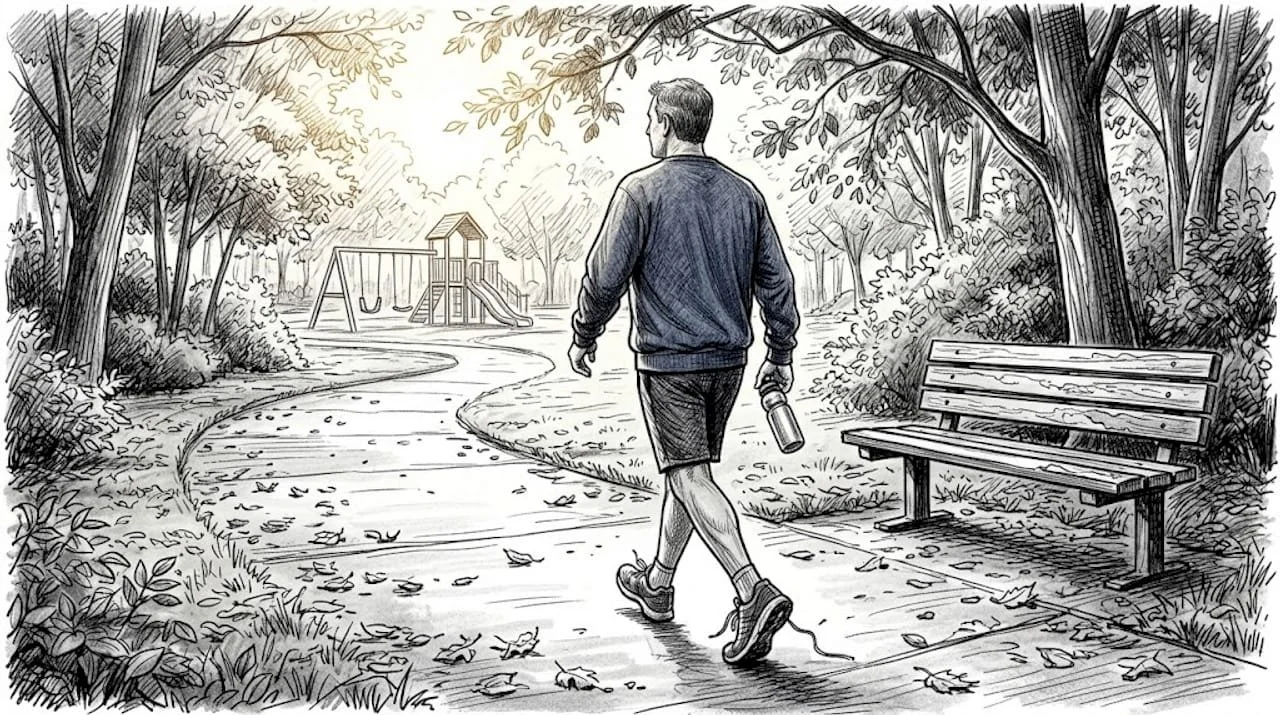
The good news is that exercise doesn't have to be intense to be effective. Evidence shows that regular physical activity like walking, yoga, or gentle exercise processes adrenaline, reduces stress, and improves mood, with 12-week programs showing measurable reductions in PTSD symptoms. For those wanting additional clinical context, the NCCIH on PTSD also supports movement-based approaches.
Here's a simple comparison of movement options:
| Activity | Primary benefit | Good for |
|---|---|---|
| Walking (10–20 min) | Reduces hyperarousal, improves sleep | Beginners, all fitness levels |
| Yoga (gentle/trauma-informed) | Builds body awareness, reduces tension | Those with body-based symptoms |
| Stretching | Releases physical tension | Post-flashback, daily calming |
| Swimming or cycling | Rhythmic movement, adrenaline processing | Moderate fitness, nervous system |
Some accessible starting points:
A 10-minute walk after meals
Five minutes of gentle stretching when you wake up
A free trauma-informed yoga video online
Dancing to one song you love (movement doesn't have to look like exercise)
Consistency matters far more than intensity. The goal is regular, gentle activation, not peak performance.
Mindfulness and meditation: Calming your mind with care
Mindfulness is the practice of paying attention to the present moment without judgment. Research supports its role in PTSD recovery, but there's a crucial caveat most articles skip: standard mindfulness practices aren't always safe for trauma survivors.
Mindfulness and trauma recovery research shows medium to high effect sizes in meta-analyses for reducing PTSD symptoms, while also recommending trauma-sensitive adaptations to avoid overwhelm. Additionally, NCCIH on mindfulness notes the growing evidence for these practices in trauma contexts.
Here's what sets trauma-sensitive mindfulness apart:
| Traditional mindfulness | Trauma-sensitive mindfulness |
|---|---|
| Extended silent meditation | Short, guided sessions (5–10 min) |
| Eyes closed, internal focus | Eyes open or soft gaze allowed |
| Sitting still | Gentle movement integrated |
| Body scan from head to toe | Body scan with opt-out at any time |
Ways to get started safely:
Use apps like Insight Timer or Calm (search for trauma-informed or gentle options)
Start with 5-minute guided sessions, not open-ended meditation
Try a short body scan that lets you skip areas that feel distressing
Use a mental health self-care checklist to track which practices feel safe for you
For Californians navigating these choices, our self-care tips for California adults and trauma-sensitive therapy guide offer additional context.
Pro Tip: If any mindfulness session leaves you more activated or distressed, it's not a failure. Return to grounding or physical movement and try a shorter session next time.
Support networks: Healing by connecting with others
PTSD tends to pull people inward. Shame, exhaustion, and fear of burdening others make isolation feel easier than connection. But isolation consistently makes symptoms worse. Human connection, even imperfect connection, is one of the most powerful healing forces available to you.
Building a support network and educating loved ones reduces isolation, while peer groups and safe contacts provide grounding and consistency in recovery.
Here are practical ways to build or strengthen your support system:
Identify one safe person you can be honest with, whether that's a friend, family member, or therapist.
Educate your close circle by sharing resources or this article so they understand your experience better.
Join a peer support group. Organizations like NAMI California and online platforms like Supportiv host trauma and PTSD-specific groups.
Set boundaries with unsafe contacts. Part of building a network is knowing who drains your energy versus who restores it.
Consider online support if in-person groups feel like too much right now. Many California-based and national groups now meet virtually.
"When people share their experiences with others who understand, stigma dissolves and something unexpected happens: healing accelerates. You stop feeling like you're the only one."
Pro Tip: You don't have to explain your entire history to get support. Sharing this guide with a trusted person or therapist is a low-pressure way to open the conversation.
A word of wisdom: Self-care and therapy, not either-or
Here's something we want to say plainly, because it gets glossed over: self-care strategies for PTSD are genuinely powerful. They reduce symptoms, build resilience, and give you agency over your healing. And they work best alongside professional therapy, not in place of it.
Professional PTSD treatment including evidence-based approaches like CBT, EMDR, and prolonged exposure is strongly recommended by the APA and the VA, and self-care is understood as a complement, not a replacement, especially in severe cases.
This matters because PTSD has deep neurological roots. No amount of breathing exercises will fully reprocess a traumatic memory the way structured trauma therapy can. That's not a criticism of self-care. It's a reason to use both.
The role of therapy in PTSD recovery is well documented, and beginning that journey alongside daily self-care strategies creates a foundation that holds. Every grounding technique you practice, every routine you build, every time you reach out instead of isolating: these are real acts of healing. They count, even when they feel small. Be patient with yourself.
Get professional support on your healing journey
Self-care is a powerful starting point, but you don't have to figure all of this out alone.
At Alvarado Therapy, our licensed clinicians specialize in trauma-informed care for California residents navigating PTSD, complex trauma, and anxiety. Whether you're curious about how EMDR trauma therapy works, want to understand your options for PTSD and complex trauma treatment, or are ready to book your first session, we're here to help. We offer care in English and Spanish, with online sessions available throughout California. Reach out today to schedule trauma consultations and take the next step toward lasting relief.
Frequently asked questions
What are the most effective immediate self-care strategies for PTSD flashbacks?
Grounding techniques like the 5-4-3-2-1 method and controlled breathing provide the fastest symptom relief during flashbacks and acute anxiety. Use them together for the strongest effect.
Can self-care strategies replace therapy for PTSD?
No. Self-care is an important supplement, but professional PTSD therapy such as CBT or EMDR is not replaceable by self-care alone, particularly for moderate to severe symptoms.
How can I make mindfulness practices safer if I have PTSD?
Use short, guided sessions, choose trauma-sensitive adaptations, and stop immediately if you feel overwhelmed. Return to grounding techniques first if distress increases.
Does joining a peer support group really help with PTSD?
Yes. Building a support network through peer groups and informed connections meaningfully reduces isolation and supports trauma recovery over time.
What if self-care strategies make my symptoms worse?
Pause the strategy and return to grounding basics. For people experiencing dissociation or heightened hypervigilance, starting with sensory grounding before other techniques builds a safer foundation. Seek professional support if distress continues.
