
Why trauma affects relationships: healing in 2026
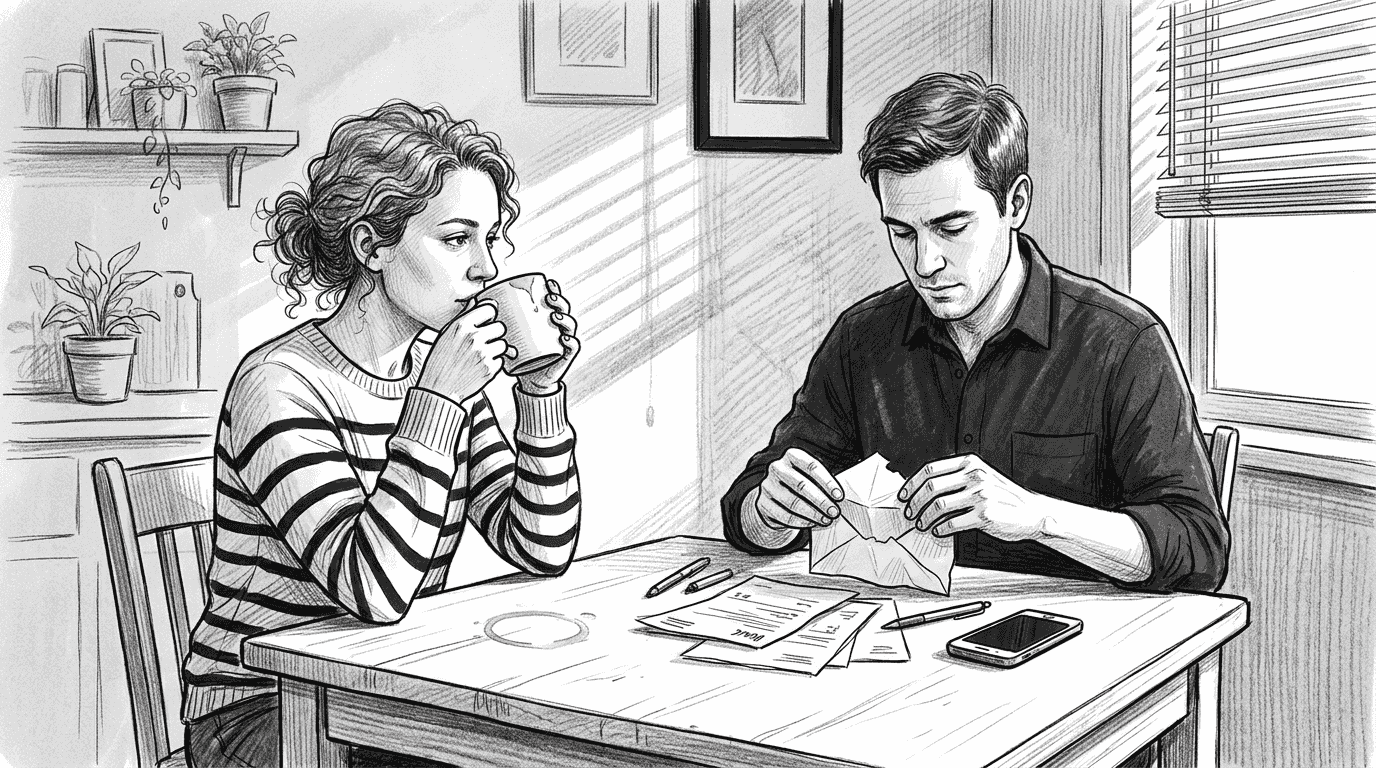
About 50% of adults experience trauma in their lives, yet many don't realize how profoundly these experiences shape their closest relationships. Trauma isn't just an individual burden. It rewires how you connect, trust, and respond to loved ones, often in ways you can't see. Whether from childhood abuse, adult PTSD, or complex trauma, these experiences create invisible barriers to intimacy and satisfaction. Understanding why trauma affects relationships is the first step toward breaking cycles of pain and building healthier connections. This guide explores the neurobiological and emotional mechanisms behind trauma's relational impact and offers evidence-based pathways to healing.
Table of Contents
Key takeaways
| Point | Details |
|---|---|
| Childhood trauma drives dysfunction | Early abuse increases risk of negative partner behaviors and intimate partner violence in adult relationships. |
| Brain changes affect connection | Trauma alters stress responses and emotional regulation, making trust and bonding more difficult. |
| Attachment patterns repeat cycles | Survivors often choose partners who mirror unhealthy dynamics, perpetuating relational pain. |
| Therapy breaks the cycle | Evidence-based approaches like EMDR and EFT help heal trauma’s impact on relationships. |
How childhood and adult trauma shape relationship dynamics
Trauma doesn't stay in the past. It follows you into every relationship, shaping how you interact with partners in subtle and overt ways. A 2025 study of 1,370 married individuals found that rape, sexual molestation, and assaultive traumas showed indirect associations with marital discord through nonviolent negative behavior and intimate partner violence. These behaviors include criticism, contempt, defensiveness, and stonewalling, all of which erode relationship quality over time.
The concept of relationship discord means poor functioning, the inverse of satisfaction and quality. When trauma goes unaddressed, it contributes to cycles of dysfunction that lower relationship satisfaction and increase conflict. Survivors may struggle with emotional availability, trust, and vulnerability, making it hard to build secure, supportive partnerships.
Childhood trauma impacts extend beyond individual symptoms. They influence how you perceive safety, interpret partner behavior, and respond to stress within relationships. When early experiences teach you that closeness equals danger or that your needs don't matter, you carry those lessons into adulthood. This can manifest as:
Difficulty expressing needs or setting boundaries
Hypervigilance to perceived threats or rejection
Emotional withdrawal or avoidance of intimacy
Reactive anger or defensiveness during conflict
These patterns often feel automatic because they are. Trauma normalizes unhealthy relationship dynamics, making dysfunction feel familiar or even safe. Without intervention, survivors may unknowingly recreate the same relational pain they experienced in childhood, perpetuating cycles across generations.
"Trauma teaches the brain that relationships are dangerous, even when they're not. Healing means relearning safety in connection."
Understanding these dynamics is crucial for breaking free. Recognizing how trauma shapes your relational patterns allows you to make conscious choices rather than repeating unconscious scripts.
The neurobiological and emotional impact of trauma on relationships
Trauma doesn't just change your thoughts. It rewires your brain, altering how you process emotions, manage stress, and connect with others. Research shows that most subtypes of childhood trauma are associated with higher neuroticism, a personality trait linked to emotional instability, anxiety, and difficulty regulating emotions. Higher neuroticism makes it harder to navigate relationship conflicts calmly or respond to partner needs with emotional stability.
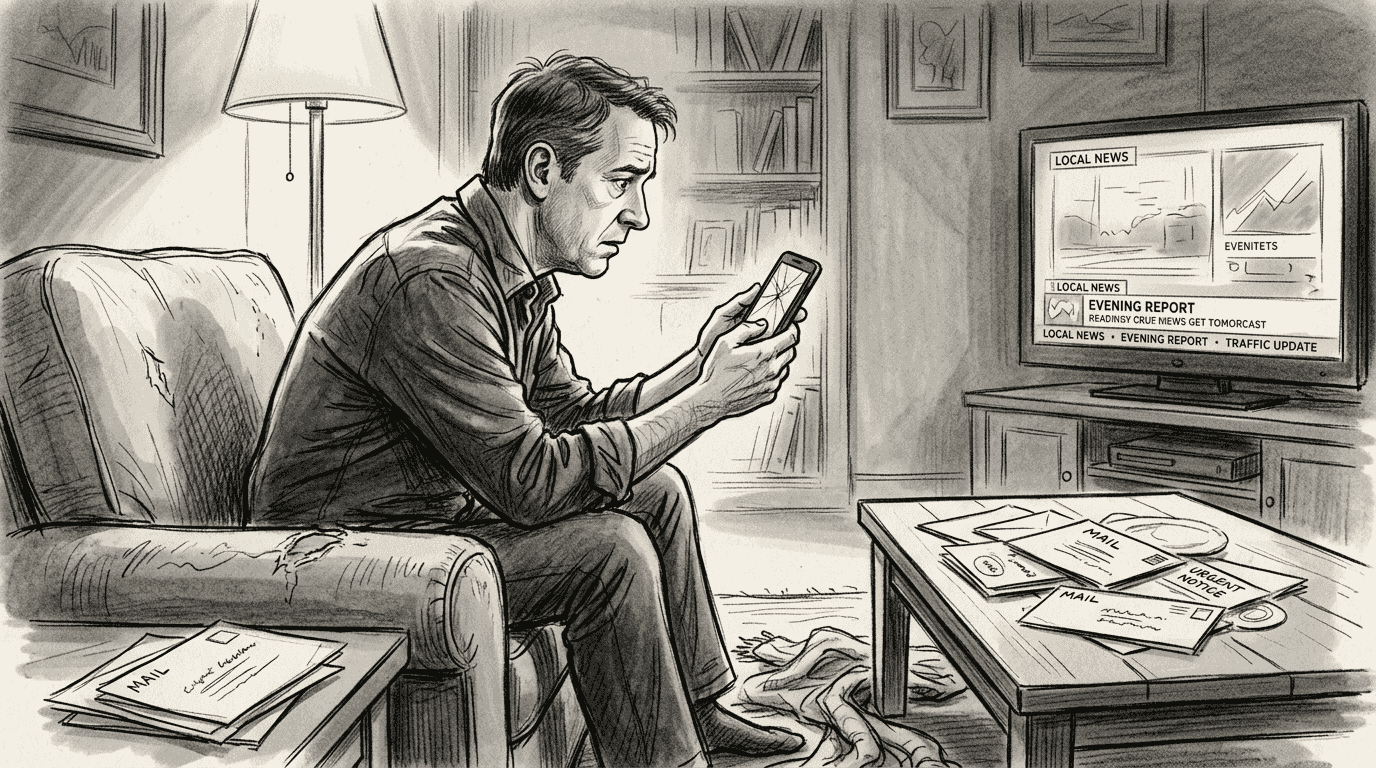
The brain's stress response system, particularly the hypothalamic-pituitary-adrenal axis, becomes dysregulated after trauma. This means your body may react to minor relationship stressors as if they're life-threatening dangers. Epigenetic mechanisms mediate trauma's impact on brain development and stress response, altering gene expression in circuits that regulate emotion, fear, and social bonding. These changes can persist across the lifespan, influencing how you experience trust and intimacy.
Complex trauma well-being is deeply affected by these neurobiological shifts. When your brain is wired for survival rather than connection, relationships feel inherently risky. You may experience emotional dysregulation, leading to fight, flight, freeze, or fawn responses during conflicts or moments of vulnerability. These automatic reactions can confuse partners who don't understand the underlying trauma driving them.
| Brain System | Trauma Impact | Relationship Effect |
|---|---|---|
| Amygdala | Hyperactive threat detection | Overreacts to perceived rejection or criticism |
| Prefrontal cortex | Reduced emotional regulation | Difficulty calming down during conflict |
| HPA axis | Chronic stress response | Heightened anxiety and mistrust in relationships |
Pro Tip: If you find yourself reacting intensely to small relationship issues, pause and ask whether your response matches the current situation or an old wound. This awareness creates space for healthier choices.
Childhood trauma effectson the brain make emotional attunement harder. Attunement means sensing and responding to a partner's emotional state with empathy and care. When trauma disrupts this capacity, partners may feel unseen, misunderstood, or emotionally abandoned, even when you're trying your best. Healing these neurobiological impacts requires targeted therapy that addresses both brain and behavior.
Trauma's influence on attachment and relationship patterns
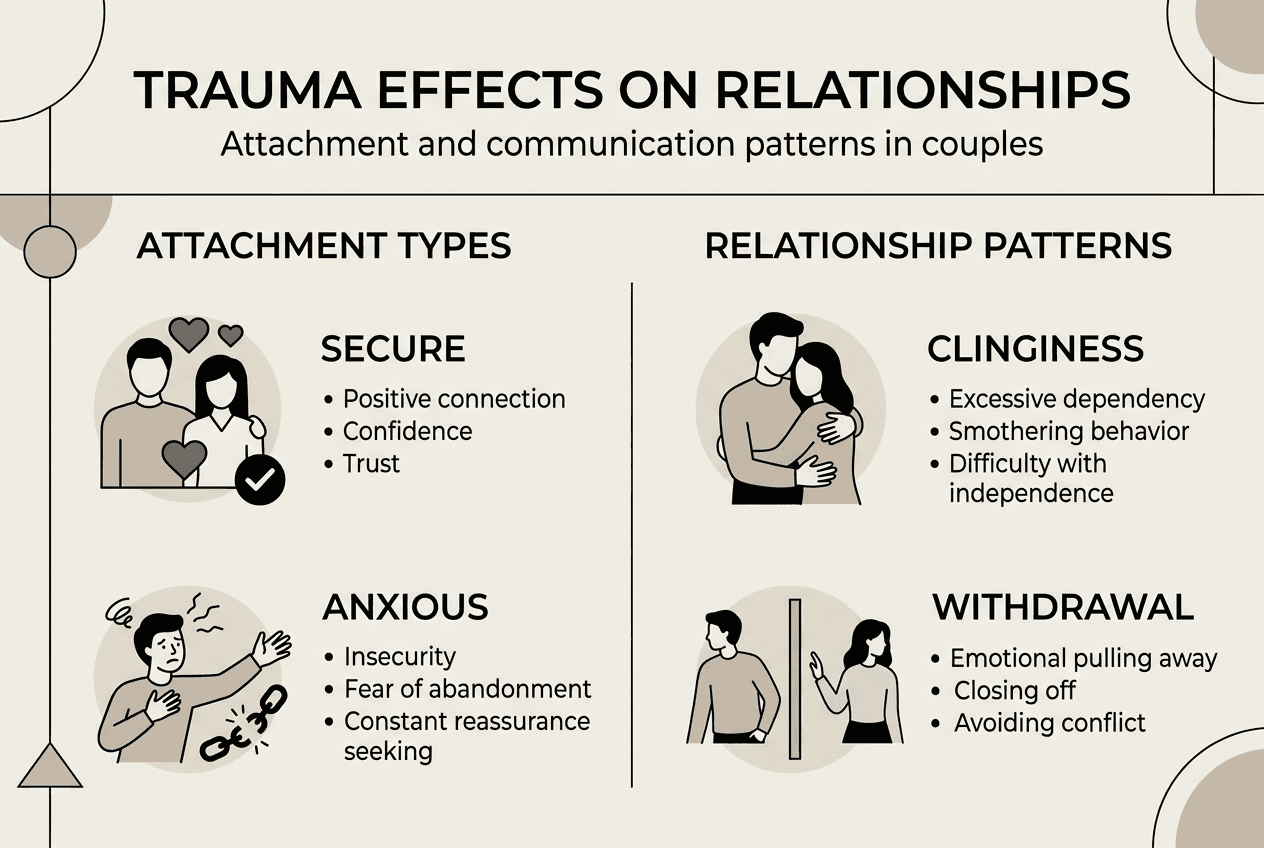
Attachment theory explains how early relationships with caregivers shape your expectations and behaviors in adult partnerships. Trauma, especially in childhood, disrupts healthy attachment development, creating insecure or disorganized attachment styles. These styles influence how you seek closeness, handle conflict, and respond to a partner's needs.
Survivors of childhood abuse may unconsciously repeat cycles of abuse or dysfunction in adult relationships due to normalized unhealthy patterns. This happens because familiarity feels safer than the unknown, even when familiarity means pain. You may choose partners who exhibit behaviors similar to those of abusive or neglectful caregivers, recreating dynamics that feel emotionally recognizable.
This isn't a conscious choice. It's a deeply ingrained pattern driven by implicit memories and attachment needs. Common patterns include:
Choosing emotionally unavailable partners who mirror early neglect
Tolerating disrespect or abuse because it feels normal
Avoiding intimacy to protect yourself from anticipated rejection
Seeking validation through caretaking or people-pleasing
These patterns perpetuate cycles of distrust, conflict, and emotional pain. Breaking them requires awareness and intentional effort. Role of trauma in relationships highlights how recognizing these cycles is the first step toward change. When you understand why you're drawn to certain dynamics, you can make different choices.
"We don't repeat what we remember. We repeat what we don't remember. Healing means making the unconscious conscious."
Insecure attachment also affects how you communicate needs and respond to conflict. Anxious attachment may lead to clinginess, constant reassurance-seeking, or fear of abandonment. Avoidant attachment may cause emotional withdrawal, difficulty expressing vulnerability, or dismissal of partner needs. Disorganized attachment, often linked to trauma, combines both anxious and avoidant tendencies, creating unpredictable relational behavior.
PTSD impact on adults includes hypervigilance and emotional numbing, both of which interfere with attachment security. Hypervigilance makes you scan for danger in your partner's words or actions, interpreting neutral cues as threats. Emotional numbing makes it hard to feel or express love, leaving partners feeling disconnected.
Awareness of these patterns is crucial for breaking the cycle. When you recognize that your relational struggles stem from trauma rather than personal failure, you can approach healing with compassion and seek appropriate support.
Healing trauma's effects on relationships: therapy and strategies
Healing trauma's impact on relationships requires more than insight. It demands therapeutic intervention that addresses both individual trauma and relational dynamics. Emotionally Focused Therapy helps childhood trauma survivors strengthen marital bonds by addressing attachment needs. EFT focuses on creating secure emotional connection between partners, helping survivors feel safe enough to be vulnerable.
Eye Movement Desensitization and Reprocessing is another powerful tool. EMDR therapy guide explains how this evidence-based approach reprocesses traumatic memories, reducing their emotional charge and impact on current relationships. By addressing the root trauma, EMDR helps you respond to partners from a place of presence rather than past pain.
EMDR in relationships can transform how you experience intimacy and trust. When traumatic memories no longer hijack your nervous system, you can engage with partners more authentically. This creates space for healthier communication, emotional attunement, and conflict resolution.
Key relationship skills that support healing include:
Recognizing trauma responses in yourself and your partner
Communicating needs clearly without blame or defensiveness
Responding to partner distress with empathy and validation
Creating rituals of connection that build trust over time
Research shows that failing to emotionally respond to distress leads to rupture and distrust, while comforting responses build trust. When your partner expresses vulnerability or pain, how you respond matters deeply. Dismissing, minimizing, or withdrawing in those moments reinforces old trauma patterns. Offering empathy, presence, and reassurance helps repair attachment wounds.
Pro Tip: Practice the pause. When you notice yourself reacting intensely, take a moment to breathe and ground yourself before responding. This small shift can prevent trauma responses from escalating conflict.
| Therapy Approach | Focus | Best For |
|---|---|---|
| EMDR | Reprocessing traumatic memories | Individual trauma healing |
| EFT | Strengthening attachment bonds | Couples addressing trauma impact |
| CBT | Changing thought and behavior patterns | Managing PTSD symptoms |
Therapy in PTSD recovery emphasizes the importance of professional guidance. Self-help strategies are valuable, but trauma's neurobiological and relational impacts often require expert intervention. A trauma-informed therapist can help you identify patterns, develop coping skills, and create new relational experiences that promote healing.
Healing isn't linear. You'll have setbacks and moments of doubt. What matters is commitment to the process and willingness to seek support when needed. With the right tools and therapeutic guidance, you can break free from trauma's grip and build the healthy, satisfying relationships you deserve.
Seeking support for trauma and relationship healing
If trauma is affecting your relationships, you don't have to navigate this alone. Professional therapy offers specialized support tailored to your unique experiences and needs. Alvarado Therapy provides online EMDR trauma therapy throughout California, helping individuals reprocess traumatic memories and build healthier relational patterns. Our licensed therapists specialize in PTSD and complex trauma support, offering compassionate, evidence-based care that addresses both individual healing and relationship dynamics.
For couples navigating trauma's impact together, online couples therapy provides a safe space to strengthen your bond, improve communication, and repair attachment wounds. Whether you're in Pasadena, Ventura, or anywhere in California, our bilingual, trauma-informed therapists are here to support your healing journey. Schedule a consultation today to start building the relationships you deserve.
Does trauma always lead to relationship problems?
Does trauma always lead to relationship problems?
No, trauma increases risk for relationship difficulties but doesn't guarantee them. With proper support, therapy, and awareness, many survivors build healthy, satisfying relationships. Early intervention and healing work significantly reduce trauma's impact on relational functioning.
How can partners help each other heal from trauma?
Partners can help by responding to distress with empathy and emotional availability, which builds trust over time. Avoid dismissing feelings or minimizing experiences. Create a safe space for vulnerability and encourage professional therapy when needed.
What therapy is best for trauma-related relationship issues?
Emotionally Focused Therapy and EMDR have the strongest evidence for healing trauma's relational impact. EFT strengthens attachment bonds between partners, while EMDR reprocesses traumatic memories. A trauma-informed therapist can tailor treatment to your specific needs.
Can childhood trauma affect relationships decades later?
Yes, unaddressed childhood trauma can influence relationships throughout life. Neurobiological changes and attachment patterns formed in childhood persist into adulthood. However, therapy can help rewire these patterns at any age, promoting healthier connections.
What are signs trauma is affecting my relationship?
Common signs include difficulty trusting your partner, emotional withdrawal, intense reactions to minor conflicts, and repeating unhealthy relationship patterns. Hypervigilance, fear of abandonment, and trouble expressing needs also indicate trauma's influence. Professional assessment can clarify these patterns.
