

California's population reflects incredible diversity, yet many still assume therapy works the same for everyone. The truth is cultural differences profoundly shape how people experience trauma and healing. For BIPOC and LGBTQ+ communities, finding a therapist who understands these nuances can mean the difference between recovery and repeated setbacks. This article explores what cultural competence truly means, how it transforms therapy outcomes, and practical ways to find identity-affirming support in California.
Table of Contents
Key takeaways
| Point | Details |
|---|---|
| Mental health outcomes improve significantly | Culturally competent therapy reduces suicidal ideation by 30% in QTBIPOC youth. |
| Intersectionality enhances treatment | Addressing overlapping identities like race, gender, and orientation improves diagnostic accuracy and therapeutic alliance. |
| Affirmative therapies deliver lasting relief | Affirmative CBT reduces depression and anxiety long-term in sexual and gender diverse adults. |
| Therapist self-awareness prevents harm | Reflective practice helps clinicians avoid stereotyping while honoring cultural contexts. |
| Access reduces treatment dropout | Marginalized communities stay in therapy longer when care feels culturally safe and affirming. |
Understanding cultural competence in therapy
Cultural competence isn't a checklist of facts about different groups. It's a reflective professional attitude that evolves through continuous learning and self-examination. A therapist might know general patterns within a culture, but treating every client as if they perfectly match those patterns creates new harm.
The most effective practitioners balance cultural awareness with genuine curiosity about each person's unique experience. This means asking questions rather than making assumptions, even when a client shares your background. Two Vietnamese Americans raised in California might have completely different relationships with their heritage, family structures, and trauma histories.
Cultural competence requires therapists to examine their own biases constantly. When you grow up in a society with systemic inequities, everyone absorbs stereotypes and blind spots. A skilled clinician recognizes these patterns in themselves and actively works to prevent them from shaping treatment. This self-reflection separates performative diversity from truly culturally responsive therapy.
Core components include cultural knowledge, humility, adaptability, and deep empathy. Knowledge means understanding how systemic oppression affects mental health. Humility means staying teachable, especially when clients share perspectives that challenge your worldview. Adaptability involves modifying treatment approaches to honor cultural values, and empathy requires recognizing how identity shapes every aspect of healing.
"Cultural competence is not a destination but a journey of continuous learning, reflection, and adaptation to better serve diverse communities."
Pro Tip: Never assume shared experiences within cultural groups. A Latina therapist working with Latina clients still needs to explore each person's unique relationship with their identity, immigration history, and family dynamics.
Why intersectionality matters in trauma therapy
People don't experience oppression or trauma along single dimensions. A Black transgender woman navigates completely different challenges than a white transgender woman or a cisgender Black woman. Intersectionality acknowledges overlapping systems of discrimination that compound trauma and shape recovery needs.
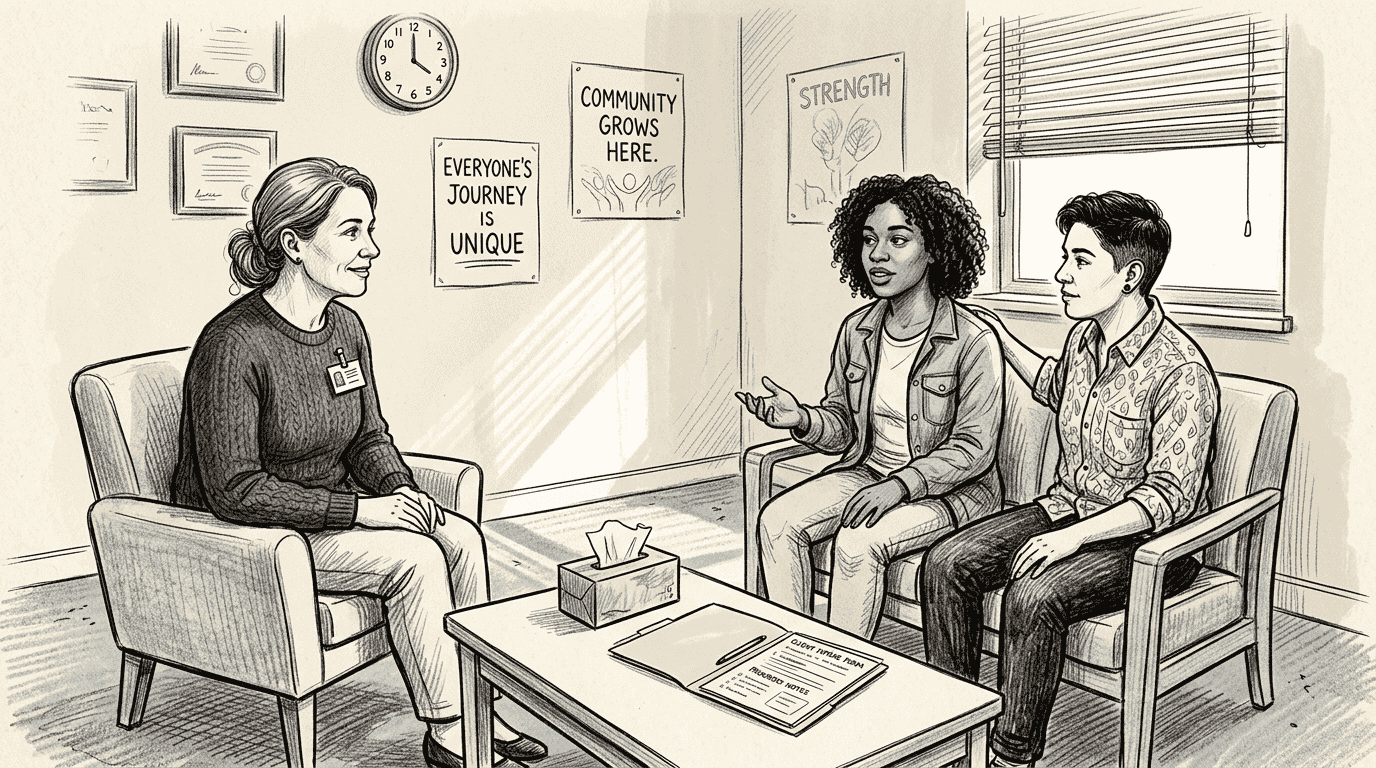
When therapists ignore these intersections, they miss crucial context. Someone experiencing workplace discrimination might face bias related to race, gender identity, and sexual orientation simultaneously. Treating each factor separately dilutes the intervention's power. Understanding how these identities interact reveals the true complexity of their experience.
Research shows transgender women of color experience dramatically improved quality of life when therapy addresses their complete identity landscape. A 60% improvement in wellbeing isn't achieved by focusing on gender alone or race alone, but by recognizing how these identities amplify and complicate each other. This approach transforms identity-affirming therapy from theoretical concept to practical healing tool.
For California's diverse QTBIPOC communities, intersectional therapy addresses minority stress from multiple angles. Someone might face homophobia in their racial community, racism in LGBTQ+ spaces, and both simultaneously in broader society. Therapy that validates these layered experiences provides relief unavailable through generic approaches.
Integrating cultural contexts enhances diagnostic accuracy too. Symptoms that look like paranoia in isolation might actually represent realistic hypervigilance in someone facing daily microaggressions. Understanding intersectional identity prevents misdiagnosis and inappropriate treatment.
Key intersectional identities therapists should explore:
Race and ethnicity
Gender identity and expression
Sexual orientation
Immigration status
Socioeconomic background
Disability status
Religious or spiritual beliefs
Language and cultural heritage
Impact of culturally competent therapy on mental health outcomes
The evidence for culturally competent therapy isn't anecdotal. Recent studies demonstrate measurable improvements across multiple mental health indicators. QTBIPOC youth receiving intersectionally focused therapy show reduced suicidal ideation and higher engagement compared to traditional approaches.
Quantitative data reveals striking differences. Suicidal ideation decreases by 30% when therapy acknowledges intersecting identities. Engagement in treatment increases by 40% when clients feel culturally seen and understood. These aren't marginal gains but transformative shifts that can save lives.
For sexual and gender diverse young adults, affirmative CBT produces long-term reductions in depression and anxiety. Unlike short-term symptom management, these improvements persist because therapy addresses root causes tied to identity-based stress. When treatment validates rather than pathologizes LGBTQ+ experiences, healing deepens.
| Outcome Measure | Improvement Rate | Population |
|---|---|---|
| Suicidal ideation reduction | 30% decrease | QTBIPOC youth |
| Therapy engagement | 40% increase | Intersectional identity clients |
| Quality of life improvement | 60% boost | Trans women of color |
| Depression symptom relief | Significant long-term reduction | LGBTQ+ young adults |
| Anxiety reduction | Sustained improvement | Sexual and gender diverse adults |
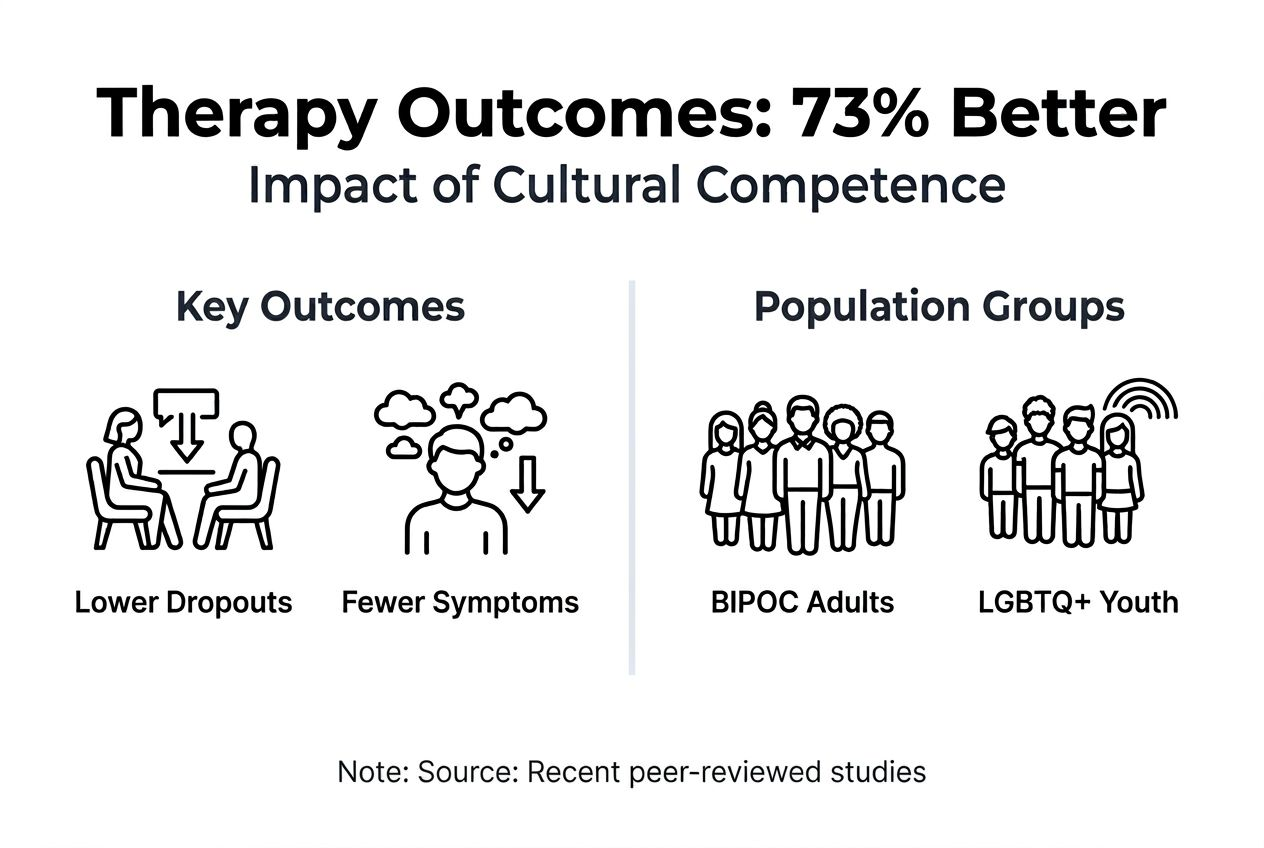
These outcomes matter especially for trauma recovery. PTSD symptoms often intertwine with identity-based stress. Someone healing from childhood trauma might also process ongoing discrimination trauma. Culturally competent therapy addresses both simultaneously, accelerating recovery in ways single-focus approaches cannot match.
California's diverse population needs these specialized interventions. With over 40% of residents identifying as BIPOC and growing LGBTQ+ visibility, generic therapy models leave too many people underserved. The data proves culturally competent care isn't a luxury but a necessity for equitable mental health outcomes.
Therapy dropout rates also decrease when cultural competence improves. Marginalized communities historically distrust mental health systems due to past harm and ongoing bias. When therapists demonstrate genuine cultural understanding, trust builds and clients stay engaged long enough to experience real healing. This increased retention translates to better long-term recovery.
Pro Tip: When seeking trauma therapy, ask potential therapists about their training in affirmative approaches and intersectional cultural competence. Specific credentials matter less than demonstrated commitment to ongoing learning about diverse identities and experiences.
For those exploring identity-affirming therapy in California, understanding these evidence-based benefits helps set realistic expectations. Cultural competence doesn't just make therapy more comfortable; it fundamentally improves effectiveness. Research on identity-affirming therapy effectiveness continues to validate this approach.
Innovative culturally competent interventions for identity-based trauma
Cutting-edge therapies are pushing cultural competence beyond traditional talk therapy. Ketamine-assisted group psychotherapy combined with cognitive processing therapy represents one promising innovation. This approach specifically serves transgender and gender-expansive adults facing identity-based trauma.
The KAP and CPT combination achieved 100% participant retention with significant symptom reductions. High retention matters because it signals clients feel safe and affirmed. When marginalized communities stay engaged throughout treatment, they receive the full therapeutic benefit rather than dropping out when things get difficult.
Ketamine-assisted therapy creates unique opportunities for processing trauma. The medication temporarily softens psychological defenses, allowing clients to examine painful experiences with less overwhelm. Combined with culturally affirming group dynamics, participants support each other while processing shared minority stress experiences.
Affirmative CBT continues demonstrating strong outcomes for depression and anxiety in LGBTQ+ adults. Unlike traditional CBT that might pathologize queer experiences, affirmative approaches validate identity while addressing symptoms. This distinction transforms treatment from potentially harmful to genuinely healing.
Steps for designing culturally competent trauma interventions:
Center lived experiences of the target community from conception through implementation
Hire therapists who share or deeply understand relevant identities
Build peer support components that reduce isolation
Address systemic oppression alongside individual symptoms
Create physically and emotionally safe spaces that signal belonging
Continuously gather feedback and adapt based on community needs
Best practices for identity-affirming, trauma-sensitive therapy include:
Using clients' chosen names and pronouns without exception
Acknowledging how discrimination contributes to trauma symptoms
Avoiding assumptions about family structure, relationships, or support systems
Recognizing resilience and strength rather than focusing solely on pathology
Connecting clients with community resources and peer support
Staying current on identity-related terminology and cultural shifts
Creating intake forms that reflect diverse identities and experiences
These innovations demonstrate that culturally competent care continues evolving. What seemed cutting-edge five years ago becomes standard practice as evidence accumulates. Therapists committed to serving diverse communities must stay engaged with emerging research and adapt their approaches accordingly.
Accessibility matters too. Group formats and online delivery expand reach to clients who might lack transportation, childcare, or local options. California's geographic diversity means rural residents often face limited choices. Innovative delivery methods ensure cultural competence reaches beyond urban centers.
How Alvarado Therapy supports culturally competent trauma recovery in California
Finding therapy that truly understands your identity shouldn't feel impossible. Alvarado Therapy specializes in trauma-informed care designed specifically for BIPOC and LGBTQ+ communities throughout California. The practice recognizes that effective healing requires more than generic approaches.
Every therapist on the team commits to ongoing cultural competence training. This isn't a one-time workshop but continuous education about evolving identities, emerging research, and community needs. Whether you're healing from childhood trauma, PTSD, or complex trauma intertwined with discrimination experiences, the practice offers identity-affirming support.
Online EMDR trauma therapybrings specialized treatment to clients across California. Geographic barriers shouldn't prevent access to culturally competent care. Virtual sessions maintain the same therapeutic power while offering flexibility for busy lives. The practice also provides bilingual services in English and Spanish, removing language barriers that often limit treatment options.
For those navigating PTSD and complex trauma, Alvarado Therapy integrates cultural awareness throughout the healing process. Trauma doesn't exist in a vacuum, and neither should recovery. Therapy consultations help you explore whether the practice's approach aligns with your needs and identity.
Frequently asked questions
What is cultural competence in therapy?
Cultural competence combines specific skills with a reflective attitude that helps therapists understand and honor diverse client backgrounds. It requires ongoing self-examination to avoid stereotyping while recognizing how culture shapes mental health. Effective practitioners balance general cultural knowledge with genuine curiosity about each person's unique experience. This approach improves therapeutic alliance and treatment outcomes across diverse populations.
How does intersectionality improve therapy outcomes?
Intersectionality addresses complex identity-based challenges by recognizing how multiple identities interact to shape experiences. Someone facing racism and homophobia simultaneously needs therapy that understands this compound stress. Research shows this nuanced approach leads to better symptom reduction and higher treatment engagement. It prevents the one-dimensional assumptions that make traditional therapy less effective for people with marginalized identities.
What therapies are effective for LGBTQ+ trauma survivors?
Affirmative CBT and ketamine-assisted group therapies show significant symptom reduction for LGBTQ+ adults. These approaches validate identity while addressing depression, anxiety, and PTSD. The interventions specifically account for minority stress and discrimination trauma. Trauma-sensitive therapy approaches that affirm rather than pathologize LGBTQ+ experiences produce the strongest long-term outcomes.
How can I find a culturally competent therapist in California?
Seek therapists who demonstrate specific training in cultural competence and affinity for diverse identities. Ask about their experience working with communities that share your background. Verify whether they use affirming language and understand intersectional identities. Finding culturally sensitive therapists often requires using specialized directories that highlight these qualifications rather than general therapy listings.
Why does cultural competence matter for trauma recovery?
Trauma healing requires safety, and cultural incompetence creates the opposite. When therapists misunderstand your identity or minimize discrimination experiences, therapy can retraumatize. Culturally responsive approaches recognize how systemic oppression compounds individual trauma. This understanding allows therapists to address root causes rather than just surface symptoms. For marginalized communities, cultural safety isn't optional but essential for genuine healing.
Recommended
Find Culturally Sensitive Therapists in CA: 45% Dropout Cut — Alvarado Therapy
Culturally Responsive Therapy: 30% Better Trauma Recovery — Alvarado Therapy
Identity-affirming therapy: 60% better PTSD relief in 2026 — Alvarado Therapy
Identity-affirming therapy boosts trauma healing in 2026 — Alvarado Therapy
