
Find Culturally Sensitive Therapists in CA: 45% Dropout Cut
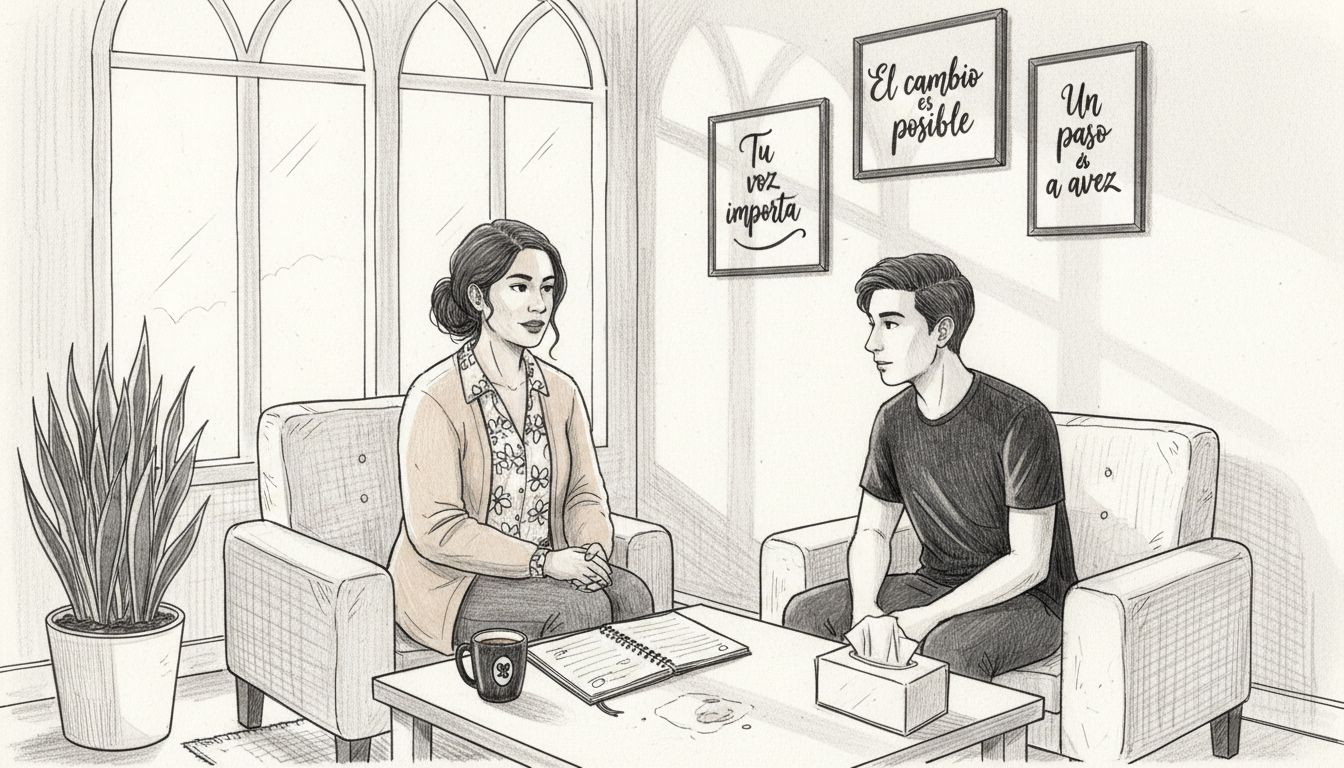
Finding a therapist who understands your cultural background can mean the difference between healing and dropping out. Therapy dropout rates reach 45% among Latinx clients when cultural sensitivity is lacking. This guide walks you through clear, practical steps to identify California therapists who respect your culture, speak your language, and offer trauma-informed care tailored to Latinx and BIPOC communities. You'll learn how to prepare, where to search, what questions to ask, and how to avoid common pitfalls that prevent lasting healing.
Table of Contents
Key Takeaways
| Point | Details |
|---|---|
| Cultural competence matters | Bilingual, culturally responsive therapy improves retention and accelerates trauma recovery for Latinx and BIPOC clients. |
| Preparation is essential | Create a cultural background summary and clarify therapy goals before searching to establish better rapport. |
| Use targeted directories | Access culturally specific resources and verify trauma-informed credentials before committing to a therapist. |
| Ask critical questions | Confirm language fluency, cultural training, and identity-affirming practices during initial consultations. |
| Affordable options exist | Sliding scale clinics, community resources, and online bilingual therapists expand access across California. |
Introduction to Culturally Sensitive Therapy
Culturally sensitive therapy integrates your cultural identity, language, and trauma history into every aspect of treatment. It's not just about finding someone who looks like you. It's about working with a therapist trained to understand how cultural values, family dynamics, immigration experiences, and systemic oppression shape your mental health.
For Latinx and BIPOC clients in California, this approach is critical. Culturally competent therapy improves mental health outcomes by validating your experiences and reducing the risk of misdiagnosis or cultural misunderstanding. Research shows clients receiving culturally responsive therapy experience 30% better trauma recovery compared to standard treatment approaches.
Key components include:
Therapists with formal cultural competence training and ongoing education
Bilingual capabilities, especially Spanish fluency for Latinx clients
Trauma-informed care that acknowledges historical and generational trauma
Identity-affirming practices for racial, ethnic, and sexual identities
Understanding of immigration stress, acculturation challenges, and family structures
When these elements align, you're more likely to engage deeply, stay in therapy longer, and achieve meaningful symptom relief. Cultural sensitivity isn't a bonus feature. It's the foundation of effective mental health care for diverse communities.
"Therapy that ignores your cultural context is like trying to solve a puzzle with missing pieces. You need someone who sees the whole picture."
Prerequisites: What You Need Before Starting Your Therapist Search
Before diving into directories and phone calls, take time to prepare yourself. This preparation makes your search more efficient and helps you communicate your needs clearly from the first conversation.
Start by creating a brief cultural background summary. Write down your ethnicity, primary language, any secondary languages, immigration history if relevant, and key cultural values that influence your worldview. Include specific trauma experiences you want to address, whether that's childhood trauma, discrimination, family conflict, or PTSD. Therapists report a 35% increase in rapport building when clients share cultural context upfront.
Next, clarify your therapy goals. Are you seeking trauma recovery, anxiety management, identity exploration, or relationship support? Be specific. Instead of "I want to feel better," try "I want to process childhood trauma and reduce panic attacks." This clarity helps you identify therapists with the right expertise.
Familiarize yourself with trauma-informed and identity-affirming therapy approaches. You don't need to become an expert, but understanding terms like EMDR, somatic therapy, and culturally adapted CBT helps you evaluate therapist qualifications. Read about starting therapy in California to grasp what the process involves.

Pro Tip: Create a simple document or note on your phone listing your cultural background, therapy goals, language preferences, and any specific concerns. Reference this during initial consultations to stay focused and ensure you don't forget important questions.
Step-by-Step Process to Identify Culturally Sensitive Therapists in California
Now you're ready to search. Follow these steps to find therapists who match your cultural and clinical needs.
Start with culturally specific directories. Use platforms like Therapy for Black Girls, Latinx Therapy, and Inclusive Therapists. These directories filter for cultural competence and identity-affirming practices, saving you time weeding through generic listings.
Verify bilingual capabilities. If Spanish is your preferred language, don't assume fluency based on a last name. Check therapist profiles for explicit language offerings. Contact them directly to confirm they conduct sessions in Spanish and understand cultural nuances, not just translate words.
Check credentials and training. Look for licenses (LMFT, LCSW, PsyD, PhD) and specialized training in trauma-informed care like EMDR certification. Search for mentions of cultural competence training, workshops on working with BIPOC communities, or lived experience with your cultural background.
Explore community clinics and online platforms. California offers sliding scale community mental health centers in major cities. Online therapy platforms have expanded access to bilingual therapists across the state. Review options for finding an online therapist in California to maximize flexibility.
Request initial consultations. Most therapists offer brief phone or video consultations. Use this time to assess cultural fit and ask key questions before committing to paid sessions.
Pro Tip: Prioritize therapists who explicitly mention identity-affirming therapy in their profiles. This signals intentional training and commitment to inclusive care. Browse culturally sensitive therapist teams to see examples of how therapists present their cultural responsiveness.
| Resource Type | Example Platforms | Best For |
|---|---|---|
| Culturally specific directories | Therapy for Black Girls, Latinx Therapy, Inclusive Therapists | Finding therapists trained in cultural competence |
| Community clinics | County mental health services, federally qualified health centers | Sliding scale and affordable care |
| Online therapy platforms | BetterHelp, Talkspace, California-based private practices | Flexible scheduling and bilingual options |
| Professional associations | California Association of Marriage and Family Therapists, APA Division 45 | Verified credentials and specializations |
Key Questions to Ask Potential Therapists
During your initial consultation, ask these targeted questions to verify genuine cultural sensitivity and clinical expertise.
What formal cultural competence training have you completed? Look for specific workshops, certifications, or coursework, not vague statements about being open-minded.
How much experience do you have working with Latinx or BIPOC clients? Ask for approximate numbers or years. A therapist new to diverse populations may be well-intentioned but lack the nuanced understanding you need.
How do you tailor trauma therapy to my cultural context? Listen for specific examples like adapting EMDR protocols to include family dynamics or using cultural metaphors in processing.
Can you conduct full sessions in Spanish, including clinical terminology? If bilingual care matters, confirm the therapist's fluency extends beyond conversational Spanish to clinical discussions.
How do you affirm clients' racial, ethnic, and sexual identities in therapy? A strong answer includes concrete practices like validating experiences of discrimination and integrating identity exploration into treatment.
What happens if I don't feel culturally understood during our work together? Assess their openness to feedback and willingness to repair misunderstandings.
Pay attention not just to answers but to how therapists respond. Do they welcome your questions? Do they validate your concerns about cultural fit? Their openness in this conversation predicts how they'll handle cultural issues throughout therapy. Learn more about questions to ask regarding trauma-informed care to deepen your evaluation.
Common Mistakes and How to Avoid Them
Even with preparation, clients make predictable mistakes that compromise their therapy experience. Here's how to avoid them.
Mistake 1: Not verifying credentials before starting. Excitement to begin therapy can lead you to skip credential checks. Unlicensed therapists or those without trauma training can do more harm than good. Always verify licenses through California licensing boards and confirm specialized training.
Mistake 2: Ignoring language mismatch. Therapy dropout rates reach 45% when clients and therapists don't share language fluency. If you think more clearly in Spanish, insist on a fluent Spanish-speaking therapist. Struggling to express yourself in English during trauma processing delays healing.
Mistake 3: Failing to discuss cultural and identity needs upfront. Some clients worry about seeming difficult or demanding. But addressing cultural fit early prevents months of misaligned therapy. State your needs clearly in the first session.
Mistake 4: Ending therapy prematurely after cultural misunderstandings. One insensitive comment doesn't always mean the therapist is incompetent. If you generally feel respected, bring up the concern directly. Many therapists are open to feedback and will adjust their approach. However, if dismissiveness continues, find someone else.
Mistake 5: Assuming all Latinx or BIPOC therapists automatically provide culturally sensitive care. Shared ethnicity helps but doesn't guarantee cultural competence. Some therapists lack training in trauma-informed or identity-affirming approaches despite their background. Always verify training and approach.
"Cultural competence is a skill developed through training and practice, not inherited through identity alone. Look for both lived experience and professional expertise."
To avoid these pitfalls, prioritize upfront verification, clear communication about language and cultural needs, and willingness to advocate for yourself. Review strategies for avoiding therapy dropout mistakes to maintain sustained engagement.
Expected Outcomes and Success Metrics
Setting realistic expectations helps you measure progress and stay committed to the therapeutic process.
With culturally adapted trauma therapy like EMDR, expect symptom reduction of 50 to 65% within 12 sessions for targeted trauma memories. This timeline varies based on trauma complexity, but cultural alignment accelerates processing by reducing the need to explain context repeatedly.
Client retention rates above 70% beyond six sessions indicate strong cultural fit and therapeutic alliance. If you're still engaged after this point, you've likely found a good match. Lower retention often signals cultural misalignment or ineffective treatment approaches.
You should notice increased comfort and affirmation of your cultural identity within the first three sessions. If you're still feeling misunderstood or dismissed after multiple meetings, that's a red flag. Effective culturally sensitive therapy validates your experiences from day one.
Bilingual care and identity-affirming practices accelerate trauma healing by eliminating language barriers and honoring all aspects of your identity. When you don't have to code-switch or explain cultural norms, more session time focuses on actual healing work.
Pro Tip: Track your symptoms weekly using a simple journal or app. Note anxiety levels, sleep quality, relationship satisfaction, and cultural affirmation feelings. This data helps you and your therapist assess whether the approach is working. Review therapy success benchmarks and follow a trauma recovery workflow to optimize outcomes.
| Outcome Metric | Timeline | What Success Looks Like |
|---|---|---|
| Initial comfort and rapport | Sessions 1 to 3 | You feel heard, validated, and culturally understood |
| Symptom awareness and education | Sessions 2 to 5 | You understand your trauma responses and have coping strategies |
| Active trauma processing | Sessions 4 to 12 | You work through specific memories with reduced distress |
| Sustained symptom reduction | 12+ sessions | 50 to 65% improvement in target symptoms, improved daily functioning |
| Long-term retention | 6+ months | You remain engaged in therapy and continue making progress |
Additional Resources and Support in California
Beyond individual therapist searches, California offers robust resources to support your journey toward culturally sensitive mental health care.
Culturally specific directories like Therapy for Black Girls, Latinx Therapy, and the National Queer and Trans Therapists of Color Network help you find pre-vetted therapists committed to identity-affirming care. These platforms filter by location, insurance, language, and specialty, streamlining your search.
Community mental health clinics across California provide sliding scale therapy based on income. Counties like Los Angeles, San Diego, and Alameda operate extensive networks of clinics serving diverse populations. About 40% of BIPOC clients use sliding scale or community resources to afford culturally sensitive therapy in California.
Online bilingual therapy services have expanded significantly, offering greater access for clients in rural areas or those with scheduling constraints. Many California-based private practices now provide secure video sessions with Spanish-speaking, trauma-informed therapists. Explore online therapy options in California to understand how virtual care works.
Insurance coverage for mental health services varies widely. Call your insurance provider to request a list of in-network therapists who speak your preferred language and specialize in trauma care. If coverage is limited, ask potential therapists about sliding scale availability or payment plans.
Additional resources include:
California Association of Marriage and Family Therapists therapist locator
Psychology Today directory with cultural filters
Local community centers offering mental health referrals
University counseling centers with sliding scale community clinics
SAMHSA National Helpline for treatment referrals
Access comprehensive California mental health resources and learn about the role of bilingual therapists in trauma recovery to deepen your understanding of available support.
Discover Expert EMDR Trauma Therapy Tailored for California Latinx & BIPOC Clients
You've learned how to find culturally sensitive therapists, what questions to ask, and how to avoid common mistakes. Now it's time to take the next step toward healing.

Alvarado Therapy specializes in culturally responsive, bilingual EMDR trauma therapy designed specifically for Latinx and BIPOC clients across California. Our licensed therapists integrate trauma-informed care with identity-affirming practices, creating a safe space where your cultural background is honored and your healing is prioritized. We offer flexible online EMDR trauma therapy in California, making expert care accessible whether you're in Pasadena, Ventura, or anywhere across the state. Our team provides specialized treatment for PTSD and complex trauma, childhood trauma, anxiety, and relationship difficulties. Begin your journey with a personalized consultation where we discuss your unique cultural needs and create a treatment plan tailored to your goals. Schedule a consultation today to experience therapy that truly understands you.
Frequently Asked Questions
What is culturally sensitive therapy and why is it important for Latinx clients in California?
Culturally sensitive therapy integrates your cultural identity, language, family values, and trauma history into treatment. For Latinx clients, this means therapists who understand machismo, familismo, immigration stress, and systemic discrimination rather than pathologizing cultural norms. This approach reduces dropout rates and improves outcomes.
How can I verify if a therapist speaks Spanish or another preferred language fluently?
During your initial consultation, conduct part of the conversation in Spanish to assess fluency and comfort level. Ask directly about their training in conducting therapy in Spanish, not just conversational ability. Request clarification on whether they use clinical terminology in Spanish or rely on translation. Learn more about bilingual therapists in trauma recovery to understand what fluency means in a therapeutic context.
Are there affordable therapy options for BIPOC clients in California?
Yes. Community mental health clinics offer sliding scale fees based on income. Many private practice therapists reserve sliding scale spots for clients with financial need. Online therapy platforms sometimes cost less than in-person sessions. Check county mental health services and federally qualified health centers in your area. Explore mental health resources for specific California options.
How long does it typically take to see improvements with culturally sensitive trauma therapy?
Most clients notice increased comfort and validation within the first three sessions. Measurable symptom reduction for targeted trauma typically occurs within 8 to 12 EMDR sessions when cultural alignment is strong. Complex trauma or multiple traumatic events may require longer treatment, but cultural responsiveness accelerates progress compared to non-adapted approaches.
What should I do if I don't feel culturally understood in early therapy sessions?
Speak up immediately. Tell your therapist specifically what felt dismissive or misunderstood. Many therapists appreciate direct feedback and will adjust their approach. If they respond defensively or the pattern continues after you've raised concerns, it's appropriate to find a different therapist. Your cultural identity deserves respect from session one.
