
When to Seek Couples Therapy: Clear Signs and Steps

TL;DR:
Couples therapy helps partners improve communication, resolve conflicts, and rebuild emotional bonds early in relationships. It is effective for most couples, especially when sought before issues become severe, and works through evidence-based methods like EFT. Therapy is not suitable for abusive situations, unwilling partners, or external issues needing specialized support.
Couples therapy is a structured process where a licensed therapist helps two partners improve communication, resolve conflict, and rebuild emotional connection. Many couples wait too long to ask when to seek couples therapy, treating it as a last resort rather than a practical tool available at any stage of a relationship. Couples therapy is effective for 60%–80% of couples, with evidence-based approaches like Emotionally Focused Therapy (EFT) showing significant improvement in 70%–75% of cases. That success rate holds at follow-up, meaning the gains last. Knowing the right moment to reach out is the first step toward real change.
When to seek couples therapy: key signs to watch for
Certain patterns signal that professional support is overdue. Recognizing them early gives you the best chance of turning things around before the damage becomes harder to repair.

Frequent conflicts that never fully resolve are one of the clearest warning signs for couples therapy. Every couple argues. The problem is when the same fight repeats on a loop, nothing gets resolved, and both partners leave each conversation feeling worse. That cycle erodes trust over time.
Communication breakdown or withdrawal is equally serious. One partner shuts down, the other escalates, and the gap between you widens. Unresolved conflicts and emotional distance are among the most common reasons couples seek professional help. Silence is not peace. It is often suppressed resentment.
Loss of intimacy or emotional connection shows up differently for every couple. It might mean you stopped sharing the small things, or physical affection has faded without explanation. Either way, the sense of being a team has weakened.
Trust issues, including after infidelity, rarely heal on their own. Rebuilding trust requires structured conversations that most couples cannot facilitate alone. A therapist creates the conditions for that work to happen safely.
Major life transitions also put relationships under pressure in ways that catch couples off guard. Becoming parents, relocating, changing careers, or losing a loved one can shift the dynamic between partners significantly. Couples therapy is widely used during exactly these transitions, not only during crises.
Repeated arguments with no resolution
One or both partners withdrawing from conversation
Emotional or physical intimacy has declined noticeably
Trust has been broken and neither partner knows how to rebuild it
A major life change has created distance or conflict
Pro Tip: You do not need to be in crisis to benefit from couples counseling. If you notice two or more of these signs persisting for more than a few weeks, that is a reasonable moment to consider reaching out.
How does couples therapy help improve relationships?
Couples therapy works because it gives both partners a structured, neutral space to speak and be heard. The therapist does not take sides. Therapist neutrality is one of the strongest predictors of positive outcomes in couples work. That neutrality matters because it ensures both partners feel equally safe, which is the foundation for honest dialogue.
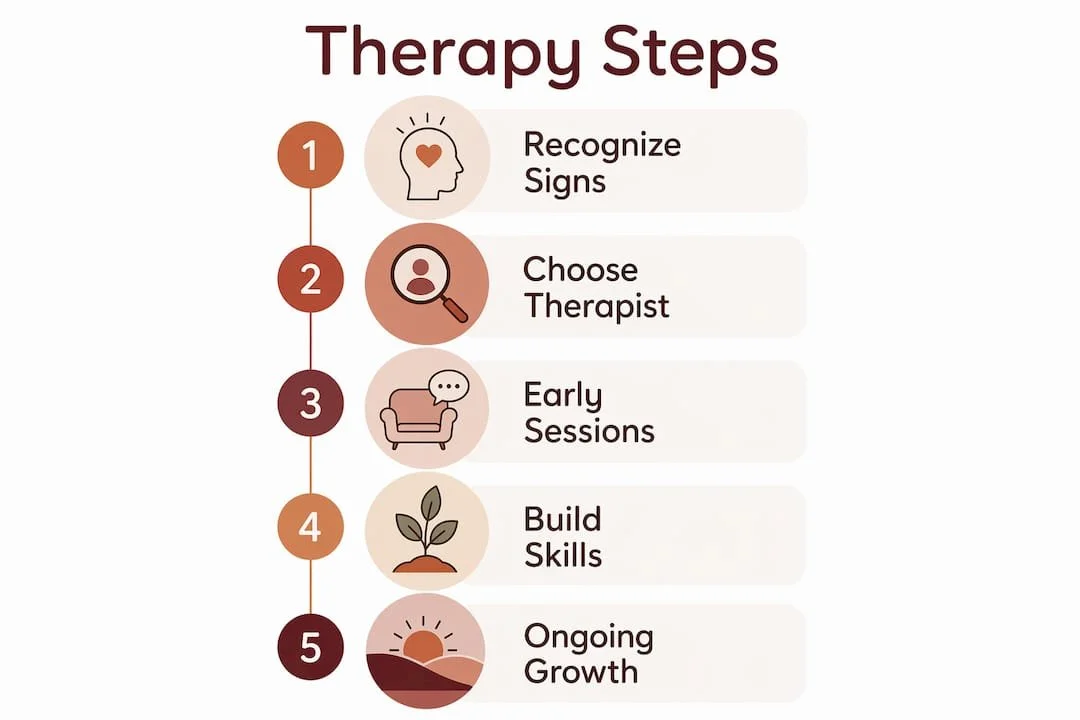
Skills couples develop in therapy
The practical benefits of couples therapy center on skills that most people were never taught. These include:
Active listening: learning to hear your partner without preparing a rebuttal
Emotional regulation: managing your own reactions so conversations stay productive
Conflict resolution frameworks: structured ways to address disagreements without escalation
Vulnerability and repair: knowing how to acknowledge hurt and move forward
Therapy helps partners develop communication and conflict resolution skills that directly improve relationship health. These are not abstract concepts. They are practiced in session and applied at home.
The role of evidence-based approaches
Emotionally Focused Therapy (EFT) is the most researched approach in couples work. It focuses on attachment patterns, helping partners understand why they react the way they do and how to respond differently. The results are durable. Couples who complete EFT-based treatment maintain their gains well after therapy ends.
"Couples therapy is most effective when both partners are motivated to work on the relationship and open to learning new skills." This readiness, more than any technique, determines how much progress a couple makes.
Therapy also works as prevention. Premarital or early couples therapy can reduce divorce rates by addressing issues before they become entrenched. Waiting for a crisis is not required. Choosing therapy proactively is one of the most practical investments a couple can make. You can read more about specific therapy advantages that apply across relationship stages.
Are there situations when couples therapy is not appropriate?
Couples therapy is not the right fit for every situation. Knowing the limits protects both partners.
Intimate partner violence or coercive control. Joint counseling in an abusive relationship can increase risk. When one partner controls, threatens, or harms the other, the priority is individual safety planning, not shared sessions. Couples therapy is contraindicated in these dynamics. Each partner needs individual support first.
One partner is unwilling to participate. Therapy requires two engaged participants. If one person attends only to appease the other, progress stalls. Individual therapy for the willing partner is a better starting point.
External stressors that require practical intervention. Structural issues like financial strain or untreated mental health conditions can limit what talk therapy alone can accomplish. A therapist may recommend additional support, such as financial counseling or individual psychiatric care, alongside couples work.
Specialized needs outside a generalist's scope. Some couples need a therapist with specific training in sexual health, addiction recovery, or trauma. A generalist couples therapist may refer out when a presenting issue requires that depth of specialization.
Pro Tip: If you are unsure whether couples therapy is appropriate given your specific circumstances, a brief individual consultation with a licensed therapist can help you assess the right path forward before committing to joint sessions.
A therapist's role is never to decide who is right. Neutrality is structural, not a performance. Both partners are held with equal care, which is what makes honest conversation possible.
How do you decide if couples therapy is right for you?
Deciding whether to pursue couples counseling starts with an honest look at what you both want. Are you trying to repair something broken, or strengthen something that is already working? Both are valid reasons. The motivation matters because therapy works best when both partners are genuinely invested.
Choosing the right therapist
Not all therapists are trained in couples work. Look for a licensed therapist with specific training in relational or couples therapy, ideally with experience in evidence-based models like EFT or the Gottman Method. Ask about their approach in an initial consultation. A good fit between the couple and the therapist is one of the strongest factors in positive outcomes.
What to expect in early sessions
The first few sessions focus on assessment. The therapist will want to understand each partner's history, communication style, and goals. This is not the time to expect immediate breakthroughs. It is the time to build trust with the process. Understanding the couples therapy process step by step can reduce anxiety about what to expect.
| Question to ask yourself | What it tells you |
|---|---|
| Do we argue about the same things repeatedly? | Suggests a communication pattern that therapy can interrupt |
| Have we stopped sharing daily life with each other? | Points to emotional disconnection worth addressing |
| Did a specific event damage our trust? | Indicates a need for structured repair work |
| Are we both willing to show up and try? | Predicts whether therapy will be productive |
| Have major life changes shifted our dynamic? | Signals a transition-related strain therapy can address |
Overcoming hesitation is often the hardest part. Many couples delay because they fear judgment or believe therapy signals failure. Therapy during major life transitions is a sign of commitment, not defeat. The couples who benefit most are the ones who arrive before the relationship is in freefall.
Key Takeaways
Couples therapy is most effective when sought early, guided by a neutral therapist, and grounded in evidence-based methods like Emotionally Focused Therapy.
| Point | Details |
|---|---|
| Early intervention matters | Seeking therapy before a crisis improves outcomes and reduces long-term damage. |
| EFT shows lasting results | Emotionally Focused Therapy produces significant improvement in 70%–75% of couples, with gains maintained after treatment. |
| Therapist neutrality is foundational | A neutral therapist creates equal safety for both partners, enabling honest and productive dialogue. |
| Therapy is not always appropriate | Intimate partner violence, unwillingness to participate, or untreated external stressors may require individual support first. |
| Motivation predicts success | Couples who are genuinely open to change and skill-building get the most from the therapeutic process. |
What I have seen in couples who wait too long
Most couples who come to therapy have been sitting on the same unresolved issue for years. They adapted around it, built routines that avoided it, and told themselves it was not that bad. By the time they arrive in a therapist's office, the resentment has compounded and the emotional distance feels permanent. It rarely is, but it takes longer to close.
The couples I have seen make the fastest progress are not the ones in the deepest crisis. They are the ones who came in early, often after a single difficult event or a quiet recognition that something had shifted. They had not yet built years of defensive habits. The work was still close to the surface.
What I find most underappreciated about couples therapy is the preventive value. Premarital counseling, therapy during a major transition, or even a short course of sessions after a stressful year are all legitimate uses of the process. Waiting for the relationship to feel broken before asking for help is like waiting for a tooth to abscess before seeing a dentist. The pain is avoidable.
If you are reading this and recognizing your relationship in more than one of the signs above, that recognition is not a reason to panic. It is information. Use it.
— Juiced
Alvaradotherapy's approach to couples therapy
Alvaradotherapy is a California-based, trauma-informed practice with licensed therapists who specialize in evidence-based couples work. Sessions are available online throughout California, making it accessible regardless of your schedule or location.
The team at Alvaradotherapy brings training in trauma-sensitive approaches to relationship therapy, which matters when past experiences are shaping present conflict. If you are ready to take the next step, you can book a consultation to talk through your situation before committing to a full course of sessions. For couples ready to begin, online couples therapy through Alvaradotherapy offers a structured, supportive path forward. You can also review what to expect from the process before your first appointment.
FAQ
What are the most common signs to see a therapist as a couple?
Repeated unresolved conflicts, emotional withdrawal, loss of intimacy, broken trust, and strain from major life changes are the most common signs. If two or more of these persist over several weeks, couples counseling is worth considering.
How effective is couples therapy?
Couples therapy is effective for 60%–80% of couples, with EFT producing significant improvement in 70%–75% of cases. Gains from evidence-based treatment are typically maintained after therapy ends.
Is couples therapy only for relationships in crisis?
No. Couples therapy is used proactively during life transitions, for premarital preparation, and to strengthen relationships that are functioning but could be better. Crisis is not a prerequisite.
What happens if one partner does not want to attend?
Therapy requires genuine participation from both partners to be productive. If one partner is unwilling, individual therapy for the motivated partner is a constructive starting point and may eventually open the door to joint sessions.
Can couples therapy make things worse?
In relationships involving intimate partner violence or coercive control, joint sessions can increase risk and are not recommended. Outside of those dynamics, well-conducted couples therapy with a trained therapist does not worsen relationships. Discomfort during the process is normal and typically part of meaningful progress.
