

TL;DR:
Trauma-sensitive therapy shifts focus from "what's wrong" to understanding "what happened."
Building trust, safety, and cultural sensitivity are essential for effective trauma healing.
A strong therapeutic relationship often predicts better outcomes than specific techniques alone.
Most people walk into therapy believing something is fundamentally broken inside them. That belief itself can be a barrier to healing. Trauma-sensitive therapy flips that script entirely, shifting the question from "what's wrong with you?" to "what happened to you?" This reframe is not just philosophical. It changes how therapists listen, how sessions are structured, and how safe you feel opening up. For Californians navigating trauma, PTSD, or anxiety, especially those from bilingual and multicultural backgrounds, this shift can make the difference between healing and shutting down. This guide breaks down what trauma-sensitive therapy is, how it works, and how to find the right fit for you.
Table of Contents
Key Takeaways
| Point | Details |
|---|---|
| Prioritize safety and trust | Trauma-sensitive therapy creates a safe, trustworthy environment tailored for healing, especially for diverse and bilingual Californians. |
| Choose evidence-based methods | EMDR, CPT, PE, and TF-CBT are proven to reduce PTSD, anxiety, and depression with long-lasting results. |
| Consider cultural and language fit | Therapists who understand your background and speak your language empower more effective healing. |
| Therapeutic alliance matters most | A strong relationship with your therapist is critical for meaningful progress, often outweighing technique. |
| Phase-based treatment for CPTSD | For complex PTSD, start with stabilization and emotional regulation before trauma processing. |
What is trauma-sensitive therapy and why does it matter?
Trauma-sensitive therapy, often called trauma-informed care, is not a single technique. It is a way of thinking about and delivering mental health support. At its core, it means the therapist understands how trauma shapes the brain, body, and behavior, and they use that understanding to make every part of the therapy experience feel safer.
Trauma-informed therapy is built on six core principles:
Safety: The physical and emotional environment feels secure at all times.
Trustworthiness: The therapist is transparent about what to expect and why.
Choice: You have real input into your treatment, not just a passive role.
Collaboration: Healing is a partnership, not something done to you.
Empowerment: Sessions build your strengths, not just reduce symptoms.
Cultural sensitivity: Your background, language, and identity are respected and integrated into care.
That last principle is especially critical in California. The state is home to one of the most linguistically and culturally diverse populations in the country. For Spanish-speaking clients, accessing therapy in their first language is not a convenience. It is a clinical necessity. When someone has to translate their emotions mid-session, they lose nuance, intimacy, and accuracy. Bilingual therapy removes that barrier entirely.
One of the most common misconceptions about trauma therapy is that it requires you to relive painful events in detail. Trauma-sensitive care actively works against that. Retraumatization, which means being pushed back into a trauma response during therapy, is something a skilled trauma-informed therapist works hard to prevent. Sessions are paced carefully, with grounding techniques available if emotional intensity rises too quickly.
"Healing does not mean the damage never existed. It means the damage no longer controls your life." This is the promise of trauma-sensitive care done right.
Another misconception is that trauma therapy is only for people with a formal PTSD diagnosis. In reality, trauma-sensitive principles benefit anyone carrying the weight of difficult experiences, including childhood neglect, immigration stress, grief, or chronic anxiety. You do not need a label to deserve careful, respectful care.
For a deeper look at how this approach creates safety, the guide to safe healing at Alvarado Therapy walks through what this looks like in practice. And if you want to understand how empowerment is woven into the process, empowering healing safely offers a practical perspective on what that experience feels like from the inside.
Pro Tip: Before your first session, ask your therapist directly: "How do you handle it if I become overwhelmed during a session?" A trauma-sensitive therapist will have a clear, reassuring answer ready.
How trauma-sensitive therapy helps heal PTSD, anxiety, and complex trauma
The evidence behind trauma-focused therapies is strong and growing. Major approaches like Trauma-Focused Cognitive Behavioral Therapy (TF-CBT), Prolonged Exposure (PE), Cognitive Processing Therapy (CPT), and EMDR (Eye Movement Desensitization and Reprocessing) all produce large effect sizes and sustain improvements over time. For veterans specifically, EMDR showed a 77.7% remission rate, which is a remarkable outcome in any clinical context.
Here is a quick comparison of how these approaches perform across key outcomes:
| Therapy method | Primary strength | Best suited for |
|---|---|---|
| EMDR | Rapid trauma reprocessing | PTSD, single-incident trauma |
| CPT | Challenging distorted beliefs | PTSD, survivor guilt |
| PE | Gradual exposure to fear | PTSD, avoidance behaviors |
| TF-CBT | Skills plus trauma narrative | Childhood trauma, adolescents |
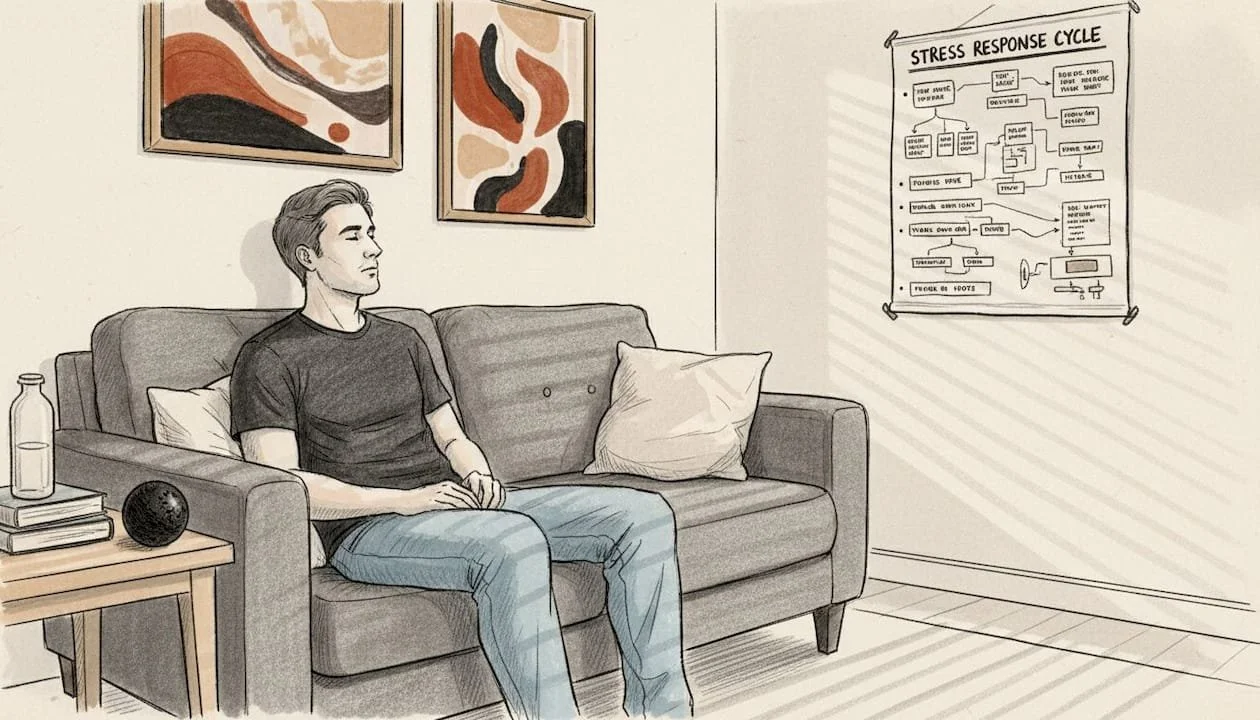
What makes trauma-sensitive therapy different from general counseling is its attention to the nervous system. Trauma is not just a memory. It lives in the body. When someone is triggered, their nervous system activates a fight, flight, or freeze response, even when they are physically safe. Trauma-informed therapists are trained to recognize these signs and help you regulate your body’s response before, during, and after processing difficult material.
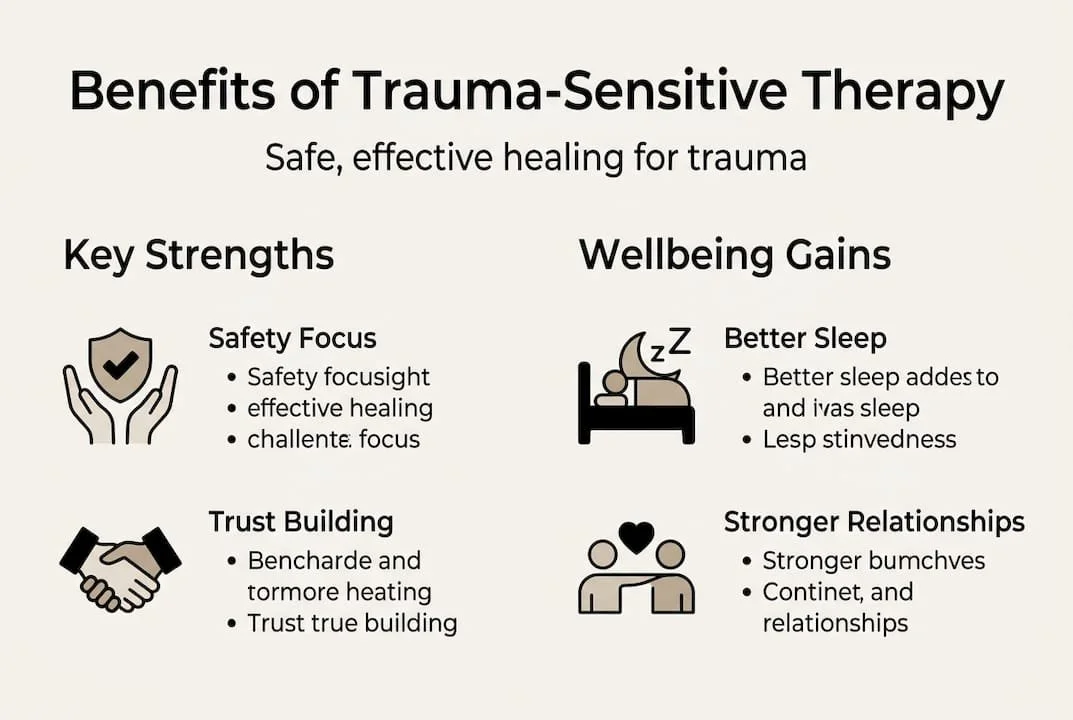
The benefits of trauma-informed therapy go beyond symptom reduction. Clients often report improved sleep, stronger relationships, reduced physical tension, and a renewed sense of personal agency. These are not side effects. They are outcomes of addressing trauma at its root rather than managing its surface symptoms.
For anxiety specifically, trauma-sensitive EMDR has shown strong results. The EMDR therapy for anxiety approach works by targeting the memory networks that feed anxious responses, which often trace back to early experiences of threat or instability.
Pro Tip: If you have tried talk therapy before and felt stuck, it may not be that therapy does not work for you. It may be that a trauma-focused method would better match how your nervous system holds the experience.
Understanding the impact of trauma-informed therapy on long-term wellbeing can also help you set realistic expectations. Healing is not linear, but evidence-based trauma care gives it a clear direction.
Key trauma-focused therapy methods and their evidence
Not every trauma-focused method works equally well for every person or every type of trauma. Knowing the differences helps you have a more informed conversation with your therapist.
CPT, PE, TF-CBT, and EMDR show the strongest evidence for reducing PTSD symptoms. These are considered first-line treatments, meaning they should typically be offered before other approaches. However, for complex PTSD (CPTSD), which often involves prolonged or repeated trauma, a phase-based model tends to work better.
Here is how the leading methods compare on key dimensions:
| Method | Evidence level | Ideal trauma profile | Cultural/language adaptability |
|---|---|---|---|
| EMDR | Very strong | PTSD, anxiety, phobias | High, minimal verbal processing |
| CPT | Very strong | PTSD with guilt/shame | Moderate, requires language fluency |
| PE | Strong | Avoidance-driven PTSD | Moderate |
| Phase-based | Strong for CPTSD | Complex, relational trauma | High with skilled therapist |
Standard therapies excel for PTSD but show less consistent results for CPTSD, particularly around emotional regulation and relationship difficulties. Phase-based and psychodynamic approaches address those deeper layers by first building stability and coping skills before moving into trauma processing.
Here is a practical way to think about choosing a method:
Single-incident trauma (accident, assault, one-time event): EMDR or PE are typically fast and effective.
Childhood or repeated trauma: Phase-based treatment or TF-CBT builds the foundation before processing.
Trauma with strong shame or distorted thinking: CPT directly targets those belief systems.
Language preference matters: EMDR requires less verbal processing, making it especially accessible for bilingual clients who prefer Spanish.
For a detailed breakdown of what EMDR intensive formats look like, the EMDR intensive therapy guide covers the structure and pacing. And if you want concrete examples of how EMDR is applied session by session, EMDR interventions explains the specific tools therapists use.
Pro Tip: Ask your therapist whether they use a phase-based model if you have experienced prolonged or childhood trauma. Jumping straight into trauma processing without a stabilization phase can feel overwhelming and slow progress.
Choosing trauma-sensitive therapy: What Californians need to know
Finding the right therapist is not just about credentials. It is about fit, trust, and safety. For Californians, especially those from Latino, immigrant, or other culturally specific communities, cultural competence is not optional. It is part of effective care.
Here is what to look for when evaluating a trauma-sensitive therapist:
Specialized trauma training: Look for certifications in EMDR, CPT, TF-CBT, or trauma-informed care specifically.
Bilingual services: If English is not your primary language, ask whether sessions are available in Spanish. This is not a small detail.
Cultural humility: A good therapist does not assume your experience. They ask, listen, and adjust.
Clear boundaries and structure: Trauma-sensitive care means you always know what is happening and why.
Flexible pacing: Your therapist should follow your lead, not a rigid timeline.
"The therapeutic relationship is not just a vehicle for technique. For many trauma survivors, it is the healing itself."
Therapeutic alliance is critical for engagement and improvement. Research consistently shows that the quality of the relationship between client and therapist often predicts outcomes more reliably than the specific method used. This means your instinct about whether a therapist feels safe and trustworthy is clinically valid, not just a preference.
Red flags to watch for include therapists who push you to share more than you are ready to, dismiss cultural or language concerns, or seem unfamiliar with trauma responses like dissociation or hypervigilance.
The guide to safe healing outlines specific questions you can bring to a first consultation. And if you are still unsure whether therapy is the right step, essential trauma therapy addresses common hesitations with honesty and care.
Pro Tip: Use a free consultation call to ask one simple question: "How do you incorporate cultural background into your work with clients?" The answer will tell you a great deal about whether this is the right therapist for you.
Our perspective: What most guides miss about trauma-sensitive therapy
Most articles about trauma-sensitive therapy focus heavily on methods, acronyms, and clinical outcomes. That information matters. But in our experience working with California's bilingual and multicultural communities, the single most powerful factor in healing is almost never the technique. It is whether the client feels genuinely seen.
When someone sits down with a therapist who speaks their language, understands their cultural context, and does not pathologize their survival strategies, something shifts before any formal intervention begins. That shift is safety. And safety is the foundation on which every other therapeutic tool rests.
We have seen clients who tried multiple evidence-based approaches elsewhere and made limited progress, then experienced real movement once they found a therapist who understood their world. The method was the same. The relationship was different.
This is not an argument against evidence-based care. It is an argument for holding both. The data on EMDR and CPT is real and meaningful. But the data also consistently shows that therapeutic alliance drives outcomes. Treating cultural fit as secondary to technique is a clinical mistake.
For Californians, especially those navigating immigration stress, generational trauma, or identity-based experiences, the guide to safe healing reflects this philosophy in action.
Next steps: Connect with trauma-sensitive therapy in California
If this article helped clarify what trauma-sensitive therapy is and how it can support your healing, the next step is finding care that matches your needs, your language, and your life.
Alvarado Therapy offers trauma-informed care across California, with bilingual services in English and Spanish. Whether you are navigating PTSD, complex trauma, or anxiety, the team is trained in evidence-based approaches including EMDR, CPT, and phase-based treatment. Explore PTSD and complex trauma therapy to understand the full scope of support available. If you are curious about EMDR specifically, learn what online EMDR therapy looks like from your first session onward. When you are ready, booking a therapy consultation is a straightforward first step toward healing on your own terms.
Frequently asked questions
Is trauma-sensitive therapy more effective than traditional therapy?
Trauma-sensitive therapy reduces retraumatization and empowers clients, often yielding stronger outcomes for PTSD and anxiety than non-trauma-focused care. TF-CBT, PE, CPT, and EMDR all show large effect sizes and sustained improvements over time.
How do I find a bilingual trauma-sensitive therapist in California?
Look for therapists who specifically mention trauma-informed and bilingual services in both English and Spanish in their profiles, and ask about cultural sensitivity during your consultation. Prioritizing cultural sensitivity and language access enhances both safety and effectiveness.
Which trauma-sensitive therapy method is best for CPTSD?
Phase-based and psychodynamic therapies are most effective for complex trauma, particularly for emotion regulation and relationship difficulties. Phase-based approaches build stabilization before trauma processing, which is essential for CPTSD.
Do trauma-sensitive therapies help with anxiety and depression?
Yes, trauma-sensitive methods address the root causes of anxiety and depression, especially when combined with mindfulness and skills-based training. Mindfulness and body-focused approaches are effective for depression, and skills training supports CPTSD recovery.
Why does therapist-client alliance matter in trauma-sensitive therapy?
A strong therapeutic alliance builds the trust and safety that allow trauma processing to happen at all. Therapeutic alliance is consistently shown to be critical for engagement and meaningful improvement across trauma therapy approaches.
