
Types of stress management: Techniques for resilience and relief
TL;DR:
Personalized stress management choices should consider trauma history, preferences, and lifestyle.
Effective techniques include deep breathing, mindfulness, therapy, social support, and healthy habits.
Finding accessible, consistent practices that feel safe is more important than seeking a universal "best" method.
Choosing a stress management technique shouldn't feel like another source of stress, yet for many Californians, it does. Between work deadlines, family pressures, financial worries, and the weight of personal history, simply knowing where to start feels impossible. What makes it even more complicated is that popular advice rarely accounts for trauma, cultural background, or individual nervous systems. The truth is that a breathing exercise that calms one person can trigger another. This article breaks down the major types of stress management, explains how trauma shapes your choices, and offers practical guidance so you can build an approach that actually works for you.
Table of Contents
Key Takeaways
| Point | Details |
|---|---|
| Personalize your approach | Choosing the right stress management technique means considering your history, preferences, and mental health needs. |
| Evidence backs variety | Techniques like mindfulness, CBT, EMDR, and lifestyle changes are all supported by research for reducing stress. |
| Adapt if you’ve experienced trauma | Trauma-informed adjustments such as grounding before relaxation increase safety and effectiveness. |
| Combine for best results | Mixing internal practices, social support, and healthy routines offers long-term resilience. |
| Experiment and adjust | Finding what works may take trial, error, and self-compassion—there’s no universal solution. |
How to choose your stress management strategy
Before you try anything, it helps to understand what shapes the right fit. Not everyone responds to stress the same way, and that's not a personal flaw. It's biology, history, and circumstance all working together.
Several key factors should guide your decision:
Personal trauma history: Past trauma directly affects how your nervous system responds to stress and certain techniques.
Current triggers: Knowing what sets off your stress response helps you avoid approaches that might feel threatening.
Lifestyle and schedule: A technique you'll actually use beats a perfect technique you'll abandon after three days.
Physical health conditions: Some approaches (like vigorous exercise or certain breathing patterns) require medical clearance.
Personal preference: Enjoyment and comfort dramatically affect long-term consistency.
The stress management tips landscape is wide, covering relaxation methods like deep breathing and progressive muscle relaxation (PMR), physical activity including yoga, mindfulness-based stress reduction (MBSR), cognitive behavioral approaches, social support, nutrition and sleep habits, and nature exposure. That's a lot of territory.
Trauma history, in particular, should change how you approach this selection process. When someone has experienced trauma, the body's threat-response system (the fight-or-flight reaction) can become easily activated by well-intentioned wellness practices. Closing your eyes during meditation, for example, may feel unsafe rather than peaceful. Trauma-informed coping skills center safety, nervous system regulation through grounding and breathwork, personal choice, and self-compassion, while specifically avoiding re-traumatization and using techniques like 5-4-3-2-1 grounding and bilateral stimulation.
Understanding the trauma-informed therapy impact on stress management helps explain why this individualized approach matters so much. Safety and self-compassion aren't just nice additions; they're the foundation.
Pro Tip: Before starting any new stress management practice, take five minutes to write down two or three situations where you feel safest. Use those as your anchor when trying new techniques for the first time.
Now that you know why personal context shapes stress management choices, let's examine each major type in detail.
Top evidence-based stress management techniques
With these selection criteria in mind, here's a breakdown of proven techniques and what sets each one apart from the others.
| Technique | Best for | Time required |
|---|---|---|
| Deep breathing | Quick relief, panic, beginners | 2–5 minutes |
| Mindfulness/MBSR | Chronic stress, rumination | 10–45 minutes daily |
| Progressive muscle relaxation | Physical tension, insomnia | 15–20 minutes |
| Yoga | Body–mind connection, flexibility | 20–60 minutes |
| CBT (therapy) | Thought patterns, long-term change | Weekly sessions |
| EMDR (therapy) | Trauma, PTSD, anxiety | Weekly sessions |
| Social support | Isolation, emotional burden | Ongoing |
| Exercise | Mood, energy, sleep | 30 minutes, 3–5x/week |
| Nature exposure | Mental restoration, overwhelm | 20+ minutes daily |
The American Psychological Association's guidelines treating PTSD/trauma confirm that evidence-based therapies for stress, anxiety, and PTSD include CBT, prolonged exposure therapy, trauma-focused CBT (which holds the strongest evidence base), EMDR, and narrative exposure therapy, with psychotherapy generally preferred over medication as a first-line approach.
What's worth noting is how diverse these options are. Some work immediately but don't change underlying patterns. Others require weeks or months before you notice a shift, but the results run deeper. The smartest approach combines short-term coping tools with longer-term strategies.
Some techniques work especially well together:
Breathing exercises calm the nervous system before a therapy session.
Exercise improves sleep, which in turn supports emotional regulation.
Social connection reinforces the skills learned in CBT or EMDR.
Nature time reduces cortisol levels, making mindfulness easier to practice.
If stress is already affecting your daily life, exploring natural ways to manage PTSD or developing a daily anxiety workflow can provide helpful structure alongside professional support.
Relaxation and mindfulness: Shifting body and mind
Let's now focus on relaxation and mindfulness, two of the most widely recommended and researched categories of stress management.
These techniques work primarily by activating the parasympathetic nervous system (the "rest and digest" system) and quieting the sympathetic nervous system (the "fight or flight" response). When practiced consistently, they create measurable physical changes.
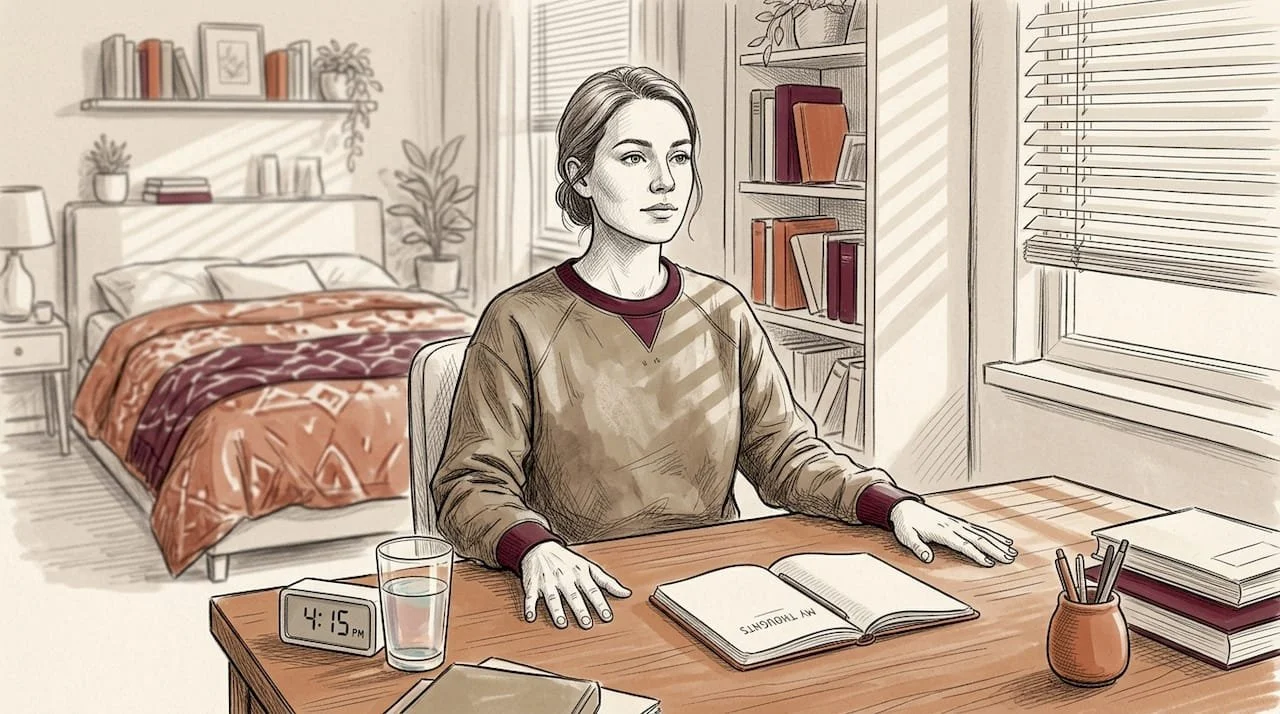
A mindfulness interventions meta-analysis across 17 randomized controlled trials and over 1,600 participants found that mindfulness-based interventions reduced perceived stress with a standardized mean difference (SMD) of 0.53, a moderate-to-strong effect. Research also shows these relaxation techniques reduce BP by 6 to 10 mmHg in the short term across 182 studies, though effects can lessen over time if practice is inconsistent.
Here's a simple step-by-step approach to the 5-4-3-2-1 grounding technique, which is particularly helpful for moments of panic or overwhelm:
Notice 5 things you can see around you right now. Name them silently or aloud.
Notice 4 things you can physically feel, such as your feet on the floor or fabric against your skin.
Notice 3 things you can hear, whether close by or in the distance.
Notice 2 things you can smell, or recall two scents you enjoy.
Notice 1 thing you can taste, or take one slow sip of water.
This technique doesn't require closing your eyes, entering a relaxed state first, or having any prior meditation experience. It works by anchoring your attention to the present moment, which interrupts the anxiety or stress spiral before it escalates.
Comparing the most popular relaxation approaches side by side can help you decide where to start:
| Method | Physical benefit | Mental benefit | Trauma-friendly modification |
|---|---|---|---|
| Deep breathing | Lowers heart rate | Reduces panic | Keep eyes open, short sessions |
| PMR | Releases muscle tension | Reduces physical anxiety | Skip tense areas that feel uncomfortable |
| MBSR | Lowers cortisol | Improves focus | Use movement-based or eyes-open practices |
| Yoga | Improves flexibility | Reduces rumination | Chair yoga, slow pace, student-led choices |
"The goal of trauma-informed relaxation isn't perfection. It's building a sense of safety, one small moment at a time." This perspective reframes relaxation not as a performance but as a gentle practice you return to, even imperfectly.
For trauma survivors, starting with shorter sessions (even two to three minutes) and framing all practices as optional rather than mandatory makes a significant difference. Phrases like "if it feels okay for you, try..." replace commands like "close your eyes and relax." That shift in language honors your autonomy.
If you're navigating PTSD alongside stress, reviewing PTSD self-care strategies can complement these techniques. For daily use, trauma-informed anxiety strategies offer a practical framework.
Pro Tip: If standard meditation feels overwhelming, try a "walking mindfulness" practice instead. Focus on the sensation of your feet hitting the ground for just five minutes outdoors. It's grounding, active, and requires no stillness.
Therapy, social support, and healthy habits
Beyond internal practices, external support and lifestyle factors are just as crucial for lasting resilience.
Therapy, particularly CBT and EMDR, represents the most powerful option for individuals whose stress is rooted in trauma, anxiety disorders, or PTSD. The APA's guidelines for PTSD treatment consistently place psychotherapy above medication as the first-line recommendation, with trauma-focused CBT earning the strongest evidentiary support.
CBT helps you identify and change the automatic thought patterns that fuel stress. For example, if you consistently interpret a co-worker's silence as hostility (when it's actually unrelated to you), CBT teaches you to test that assumption rather than react to it. Over time, this reshapes your default stress responses in a lasting way.
EMDR works differently. It uses bilateral stimulation, most commonly guided eye movements, to help the brain reprocess traumatic memories. Clients often find that memories that once caused intense distress lose their emotional charge after EMDR sessions, even when they've tried other approaches without success. Exploring a trauma-informed EMDR guide is a great starting point if you're curious about this approach.
Social support is another powerful but often underestimated buffer against stress. Research consistently shows that people with strong social connections recover from stressful events more quickly and report better overall mental health. This doesn't mean you need a large social circle. Even one or two trusted relationships where you feel genuinely seen and heard can make a meaningful difference.
Here are specific habits worth prioritizing as a stress-relief foundation:
Sleep: Aim for 7 to 9 hours. Poor sleep amplifies every stressor. It's very hard to regulate emotions when exhausted.
Exercise: Even moderate movement three to five times a week improves mood through endorphin release and supports better sleep quality.
Nutrition: Blood sugar crashes trigger the body's stress response. Regular meals with protein, fiber, and healthy fats stabilize mood.
Nature time: As little as 20 minutes outdoors in a green space reduces cortisol levels measurably.
Following a clear trauma recovery workflow can help you integrate therapy, lifestyle habits, and self-care into a realistic daily or weekly structure rather than treating them as isolated interventions.
Pro Tip: You don't have to redesign your entire lifestyle at once. Choose one habit (consistent bedtime, for example) and maintain it for three weeks before adding another. Small wins build the momentum needed for lasting change.
Trauma-informed adaptations: Personalizing your approach
If you have a history of trauma, certain adjustments can make stress management safer and more effective for you.
Trauma survivors often encounter specific challenges when trying standard stress management techniques. Three of the most common are dissociation (a feeling of disconnection from your body or surroundings), hyperarousal (a persistent state of alertness or being "on edge"), and overwhelm when practices stir up difficult emotions or memories. These reactions are not signs of failure. They're your nervous system doing what it learned to do to protect you.
Here's how to adapt common practices step by step:
Start with grounding before anything else. Before beginning any relaxation or mindfulness exercise, use a short grounding technique like 5-4-3-2-1 to anchor yourself in the present moment.
Use invitational language with yourself. Replace "I must relax" with "I'm going to try this and see how it feels." Giving yourself permission to stop at any time reduces pressure and increases safety.
Keep sessions brief at first. Two to three minutes is a legitimate starting point. Gradually extending practice time helps the nervous system build tolerance without triggering shutdown or panic.
Choose body-friendly modifications. Keep eyes open during meditation. Practice yoga in a chair. Use gentle movement instead of stillness if stillness feels threatening.
Track your reactions honestly. After each session, note how you feel. If something consistently leaves you more anxious or distressed, that's important data. Swap it for something gentler.
Trauma-informed coping skills that emphasize choice, safety, and self-compassion make the most significant difference for survivors who have tried standard approaches and felt worse rather than better.
"Healing doesn't require pushing through discomfort at all costs. Sometimes, the most therapeutic thing you can do is pause, adjust, and try again tomorrow."
For deeper guidance on navigating this process, reviewing trauma-sensitive therapy principles or learning how to prepare for counseling as a trauma survivor can build confidence before your first or next therapy session.
The real key: Finding what works for you, not just "the best"
After reviewing all of these practical options and adjustments, one perspective is worth sitting with before you move forward.
There's a persistent cultural pressure to find "the best" stress management technique and stick to it. People talk about meditation the way others talk about religion or diet culture, as though there's one right answer and you're failing if you haven't found it yet. That framing causes real harm.
The uncomfortable truth is that the research doesn't support any single universal winner. What it does support is this: consistency with a method you can tolerate, that feels accessible on hard days, and that doesn't cause additional harm beats a "gold standard" technique you dread and avoid.
We've worked with Californians who found that yoga triggered body-based distress they weren't ready to face, while a 10-minute walk and a phone call with a trusted friend did more for their stress than weeks of formal practice. Others discovered that CBT felt too confrontational early in healing, but anxiety management strategies that started with nervous system work created just enough safety to eventually engage in deeper therapy.
Experimentation isn't a sign of instability. It's a sign of self-awareness. Revisiting techniques you dismissed six months ago is also completely valid because your nervous system changes over time, especially with healing work. Patience and self-kindness aren't soft suggestions. They're the actual mechanism through which lasting change happens. Give yourself permission to build an approach slowly, adjust freely, and define progress on your own terms.
Find professional support for your stress management journey
Managing stress on your own is a meaningful starting point, but sometimes you need a skilled guide, especially when trauma, PTSD, or anxiety are part of the picture.
At Alvarado Therapy, our California-based team of licensed therapists offers EMDR trauma therapy and evidence-based counseling designed around your pace and safety. We specialize in PTSD and complex trauma support, providing care in both English and Spanish across Pasadena, Ventura, and online throughout California. Our trauma-informed approach means every session honors your history, respects your boundaries, and builds toward sustainable relief rather than quick fixes. If you're ready to take the next step, book a consultation today and connect with a therapist who genuinely understands what you're navigating.
Frequently asked questions
Which type of stress management works fastest?
Relaxation techniques like deep breathing and progressive muscle relaxation often provide the quickest short-term stress relief, with research showing measurable BP reductions even in brief sessions.
Are mindfulness and meditation safe if I have a history of trauma?
Yes, but using trauma-informed adaptations like shorter practice periods, eyes-open options, and grounding first significantly reduces the risk of distress or re-traumatization.
What's the difference between CBT and EMDR for stress?
CBT teaches you to identify and reshape unhelpful thought patterns, while EMDR uses bilateral stimulation to reprocess traumatic memories. Both are recommended for PTSD treatment by the APA, with trauma-focused CBT holding the strongest current evidence base.
How long should I practice mindfulness or relaxation for benefits?
Consistency matters more than duration. Even brief daily sessions produce meaningful results, as mindfulness-based interventions across thousands of participants demonstrate measurable stress reduction regardless of session length.
Can lifestyle habits like sleep and nutrition really make a difference?
Yes, significantly. Healthy sleep, regular nutrition, exercise, and nature exposure are recognized core stress management techniques that form the physiological foundation for every other strategy you layer on top.
